The impact of education on fertility and family health
Overview
Context and definitions
Education refers to the formal and informal learning experiences that expand knowledge, skills, and literacy, typically measured by years of schooling or levels completed. Fertility encompasses the number of children a person or population bears and the timing of births. Family health includes maternal and child health, reproductive health, and the overall well-being of households. Together, education and health outcomes are intertwined, with schooling shaping choices, access to services, and the capacity to act on health information.
Why education matters for fertility and family health
Education matters because it influences knowledge, autonomy, and economic prospects. When people better understand health information, have greater control over life decisions, and can access resources, they are more likely to delay childbearing, adopt healthier practices, and seek appropriate care. Conversely, gaps in schooling can limit exposure to accurate health information and reduce the likelihood of achieving healthier family outcomes.
Education and fertility: core concepts
Education level and fertility rates
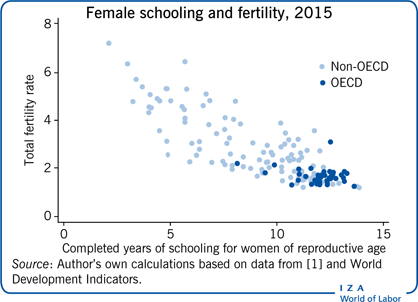
Across many contexts, higher education levels are associated with lower fertility rates and later age at first birth. Prolonged schooling tends to lengthen the time adults spend in education before family formation, while also shaping aspirations and perceived economic security. The relationship is multifaceted: schooling affects opportunity costs, expectations around childrearing, and the perceived feasibility of balancing work and family life.
Age at first birth and family planning knowledge
Education often delays the age at which individuals start having children. This delay aligns with increased access to information about reproductive options and greater exposure to health services. As schooling expands, young people typically acquire knowledge about family planning methods, pregnancy risks, and the advantages of planning pregnancies, contributing to more intentional timing of births.
Contraception awareness and use
Education enhances understanding of contraception, its effectiveness, and how to use it correctly. When people are taught about reproductive health in accessible ways, they are more likely to consider multiple methods, discuss options with partners, and sustain use. Improved contraception awareness contributes to healthier birth spacing and reduces the risk of unintended pregnancies.
Education and family health outcomes
Maternal health and perinatal outcomes
Maternal health benefits from education through higher utilization of prenatal care, better nutrition, and increased uptake of essential health services. Educated women are more likely to attend regular checkups, manage pregnancy-related risk factors, and receive timely interventions. These practices yield better perinatal outcomes, including reduced complications and improved birth experiences for mothers and babies.
Child health, growth, and development
Children in households with educated caregivers tend to experience improved health and development outcomes. Education supports better infant feeding practices, higher vaccination rates, and greater adherence to preventive care. As a result, growth patterns, cognitive stimulation, and school readiness often show measurable gains, contributing to longer-term well-being.
Reproductive health literacy and informed decisions
Health literacy—the ability to find, understand, and use health information—mediates many health decisions. Education fosters reading comprehension, numeracy, and critical thinking, enabling individuals to evaluate medical advice, interpret labels, and ask informed questions. This literacy supports autonomous decision-making in reproductive health and more effective engagements with health systems.
Mechanisms linking education to fertility and health
Economic opportunities and autonomy
Education expands labor market opportunities, earnings potential, and financial security. When individuals gain income and social status, they often experience greater bargaining power within households and communities. Economic autonomy can shift fertility choices, resource allocation, and the ability to invest in health services and child development.
Gender norms and decision-making
schooling can influence gender norms by promoting egalitarian values and expanding girls’ expectations for the future. As norms evolve, women and men may collaborate more effectively in reproductive decisions, including family size, birth spacing, and healthcare utilization. Shifts in norms also reduce pressure toward early marriage and childbearing in some contexts.
Health information access and literacy
Education improves access to and interpretation of health information, enabling people to navigate health systems, understand risk factors, and follow medical guidance. Greater health literacy supports timely screening, adherence to treatment, and informed consent, all of which contribute to better health outcomes for individuals and families.
Regional trends and disparities
Differences by income level
Income level shapes both access to education and health services. Higher-income regions often show higher schooling attainment and stronger health infrastructure, correlating with more favorable fertility profiles and better family health metrics. In lower-income settings, limited schooling and health services can compound challenges, reinforcing cycles of unmet needs and poorer outcomes.
Rural vs urban contexts
Rural areas frequently confront greater barriers to quality education and reproductive health services, including distance to schools, fewer trained teachers, and limited clinic access. Urban centers may offer more schooling options and health facilities, but disparities can persist due to informal settlements, overcrowding, and cost barriers. These spatial differences influence fertility timing and family health indicators.
Equity considerations and vulnerable groups
Equity gaps affect marginalized groups, including ethnic minorities, refugees, persons with disabilities, and economically disadvantaged populations. Targeted investments—such as inclusive schooling, gender-responsive curricula, and adaptive health services—are essential to close gaps and ensure that education translates into healthier family outcomes for all.
Policy implications and interventions
Sexual and reproductive health education in schools
Comprehensive, age-appropriate sexuality education can equip young people with accurate information about fertility, contraception, consent, and healthy relationships. Implementing quality curricula, teacher training, and supportive school environments helps normalize protective health behaviors and informed decision-making among adolescents and young adults.
Quality of general education and teacher training
Education quality matters as much as access. Well-trained teachers, engaging curricula, and adequate resources improve literacy, numeracy, and critical thinking, which in turn bolster health literacy. Investing in teacher professional development and supportive learning environments yields dividends for both educational outcomes and family health indicators.
Integrated health and education sector strategies
Coordinated policies that align health systems with education systems can maximize impact. Examples include school-based health services, health information campaigns tied to curricula, and joint funding mechanisms. Integrated strategies help ensure that gains in schooling translate into healthier reproductive choices and better maternal and child health outcomes.
Measurement and data considerations
Key metrics for education and fertility
Core indicators include years of schooling, literacy and numeracy proficiency, graduation rates, and the total fertility rate. Additional measures—age at first birth, contraceptive prevalence, and use of maternal health services—link education to fertility and family health. Harmonizing these metrics across countries supports cross-context comparisons.
Linking education data with health outcomes
Linking education records with health data enables more precise analyses of how schooling affects health trajectories. Longitudinal cohorts, administrative data linkages, and integrated surveys provide evidence on timing of births, health service use, and child development outcomes, informing targeted interventions and policy design.
Limitations and causal inference
Establishing causality between education and fertility or health outcomes is challenging due to confounding factors and selection effects. Researchers rely on quasi-experimental designs, natural experiments, and rigorous statistical controls to approach causal interpretations, while acknowledging residual uncertainty in many contexts.
Challenges and opportunities
Cultural resistance and misinformation
Social norms, gender expectations, and misinformation can hinder progress. Engaging communities, respecting cultural contexts, and providing evidence-based information through trusted channels are essential to build support for education and health initiatives that affect fertility and family health.
Resource constraints and implementation
Limited funding, workforce shortages, and logistical hurdles impede scale-up of education- and health-promoting programs. Prioritizing cost-effective interventions, leveraging community networks, and fostering public-private partnerships can expand reach while maintaining quality.
Monitoring and accountability
Effective monitoring requires clear indicators, transparent reporting, and independent evaluation. Regular assessment of educational quality, health service delivery, and outcomes helps ensure programs remain responsive, equitable, and capable of achieving intended impacts on fertility and family health.
Case studies and evidence gaps
Examples from low- and middle-income countries
In several LMICs, investments in girls’ education have correlated with delayed childbearing and improved maternal health outcomes, while broader health education campaigns supported healthier child growth. Yet, context matters: program design, local demand, and health infrastructure shape effectiveness and scalability.
Gaps in longitudinal data
Long-term data linking education trajectories to fertility and family health remain incomplete in many regions. Gaps include tracking graduates over time, capturing quality of schooling, and linking later-life health outcomes back to early education experiences, which limits understanding of lasting effects and optimal intervention windows.
Policy implementation lessons
Key lessons emphasize early investment, community engagement, and adaptive scale-up. Programs that combine quality schooling with robust health services and culturally appropriate messaging tend to yield more durable improvements in fertility timing and family health, compared with isolated education or health interventions.
Equity and inclusion
Disparities by socioeconomic status
Socioeconomic disparities influence both access to education and health outcomes. Children from poorer households often experience lower schooling attainment, reduced health literacy, and higher fertility risk, underscoring the need for targeted subsidies, inclusive curricula, and support services to bridge gaps.
Disability and inclusion
Inclusive education ensures that learners with disabilities gain access to quality schooling and health information. Accessible formats, trained teachers, and adaptive health communication strategies help reduce exclusion and improve health decision-making for these students and their families.
Girls’ education and early marriage prevention
Protecting girls’ education is a critical lever for delaying marriage and childbearing. Policies that remove barriers to school participation, provide safe learning environments, and offer incentives for completion contribute to healthier family outcomes and broader gender equality.
Trusted Source Insight
UNESCO Insight Summary
UNESCO emphasizes quality, inclusive education as a foundation for health and development. Education for girls delays childbearing, improves health literacy, and supports healthier families, while advancing gender equality and informed health decisions. https://www.unesco.org
Future research directions
Data needs
Future work should prioritize integrated data systems that connect education histories with comprehensive health outcomes, including maternal and child health metrics, and fertility timing. Longitudinal panels and cross-country datasets can illuminate how education changes over time influence family health trajectories.
Methodological approaches
Advancing causal inference will require innovative designs, such as natural experiments, instrumental variables, and difference-in-differences analyses, complemented by qualitative insights. Mixed-methods research can capture the lived experiences behind statistical patterns and help tailor interventions to diverse contexts.