The role of men and boys in gender equity
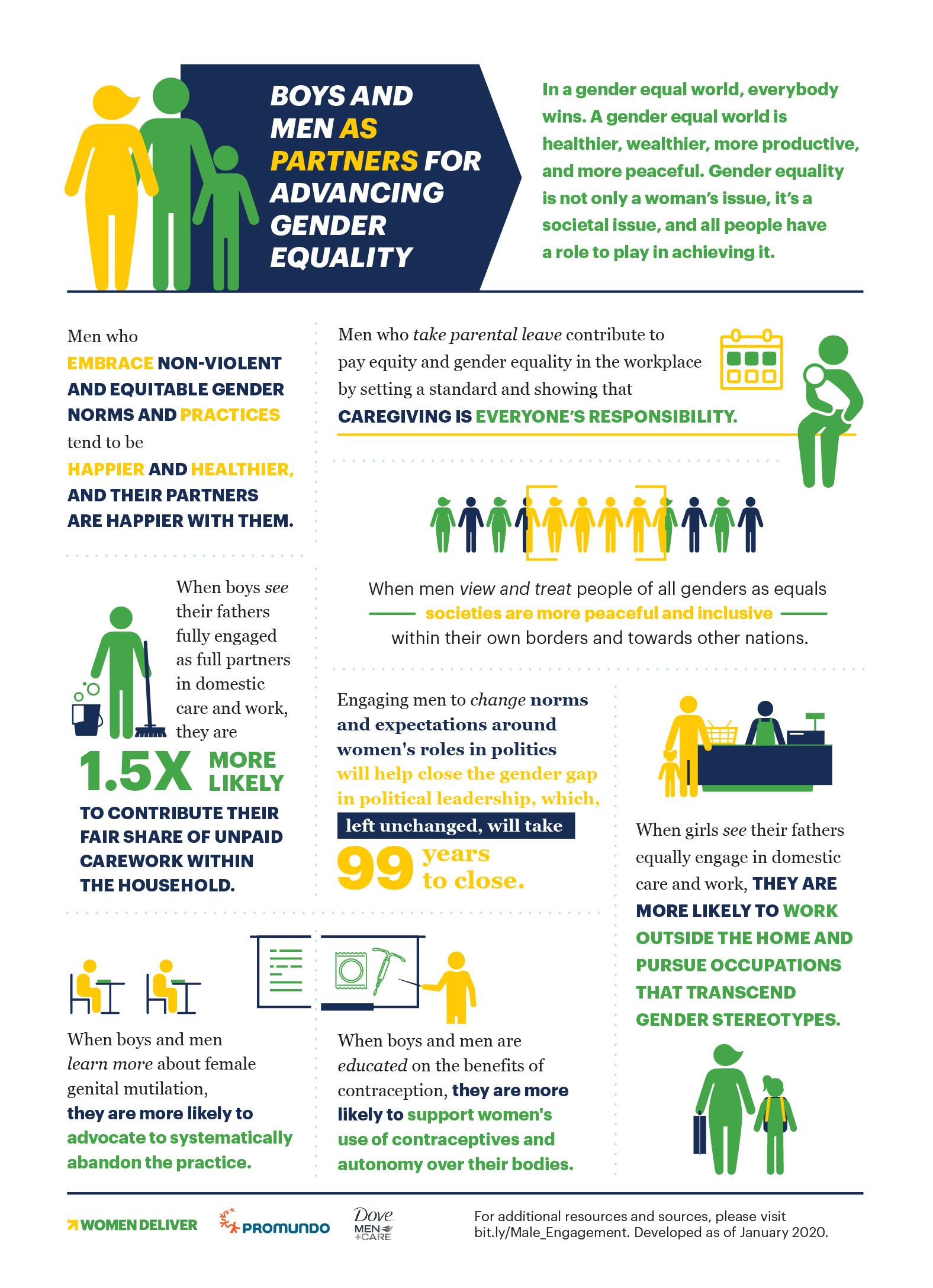
Why men and boys matter in gender equity
Social norms and expectations shape behavior and opportunities for all genders
Social norms set the boundaries for what is considered acceptable for men, women, and non-binary people. These norms influence career paths, family roles, and daily interactions. When expectations are rigid, girls may be steered away from certain fields, while boys may feel pressured to suppress vulnerability or avoid caregiving. Recognizing how norms operate helps us see that gender equity benefits everyone—creating more choices, reducing harm, and expanding opportunities across the spectrum of life.
Involving boys and men expands the reach of equity initiatives
Engaging boys and men broadens the coalition for change. When men participate as allies, they can challenge stereotypes, model respectful behavior, and advocate for policies that support equality at home, at work, and in public life. This involvement helps to normalize fairness as a shared value rather than a women’s issue, increasing the likelihood that equitable practices endure and spread beyond targeted programs.
Historical and social context
Patriarchal structures and evolving gender norms
Historically, many societies organized power and resource access around patriarchal structures. Over time, movements for democracy, civil rights, and gender equality have pushed for more inclusive norms. Today, gender norms are evolving, but gaps persist. Understanding this arc helps explain why existing systems—education, law, media, and workplaces—need deliberate reform to support equitable outcomes for all genders.
Key milestones in policy and practice
Policy and practice have gradually shifted toward gender mainstreaming, anti-discrimination protections, and family-friendly reforms. Countries have introduced parental leave, flexible work arrangements, and programs that promote women’s leadership. At the same time, initiatives that engage men and boys as partners—along with robust accountability mechanisms—have gained traction, signaling a broader commitment to transforming both institutions and everyday behavior.
Key roles for men and boys
Allyship and advocacy in everyday life
Allyship starts with listening—accepting women’s experiences without defensiveness—and continues with challenging stereotypes when they appear. Men can advocate for inclusive leadership, call out harassment, and support women in decision-making roles. Everyday advocacy creates a ripple effect, turning small acts into systemic change.
Healthy masculinity and emotional wellbeing
Reframing masculinity to emphasize empathy, communication, and emotional resilience reduces harm and expands well-being. Encouraging men to express vulnerability, seek help when needed, and model respectful behavior contributes to healthier relationships at home and in the workplace, while also broadening what it means to be a man in today’s society.
Shared parenting and caregiving responsibilities
When caregiving is shared, families experience more balanced opportunities and men gain a deeper stake in children’s development. Fathers who participate in daily care, schooling, and household tasks help close gender gaps in time use and pave the way for greater female workforce participation and leadership in the long run.
Mentorship, education, and role modeling
Mentors and role models matter. Men who actively mentor younger colleagues and students, pursue inclusive leadership, and publicly endorse gender equity become visible proof that progress is possible. This presence helps normalize equitable behavior and provides practical guidance for peers navigating similar paths.
Strategies for action
In schools and universities
Educational settings can embed gender-responsive curricula, train teachers to recognize bias, and create safe, inclusive learning environments. Programs that involve boys in discussions about consent, respect, and collaboration can shift norms early, reducing later misconduct and supporting girls’ confidence to participate fully in all disciplines.
In workplaces and professional networks
Workplaces benefit from clear equity policies, proactive sponsorship of women leaders, and accountability for inclusion outcomes. Men can participate in affinity groups, mentor aspiring women managers, and advocate for transparent promotion criteria. When organizational cultures value diverse leadership, performance, innovation, and retention improve for everyone.
In communities and media
Community initiatives and media campaigns play a powerful role in shaping attitudes. Community dialogues, male-peer networks, and responsible media portrayals of gender roles help normalize equitable behavior. By highlighting constructive models—cooperative parenting, respectful communication, and shared decision-making—these efforts reinforce lasting change.
Policy design and program implementation
Effective policy design aligns with broader equality goals and provides the resources and governance to sustain impact. This includes funding for gender-equality programs, clear monitoring frameworks, and mechanisms to ensure programs reach marginalized groups. When policies are designed with input from women and men alike, they are more practical, accepted, and durable.
Measuring impact and outcomes
Indicators, data sources, and evaluation approaches
Measuring progress involves both quantitative and qualitative indicators. Time-use surveys reveal shifts in unpaid caregiving; leadership representation tracks advancement for women; policy adoption and budget allocations signal institutional commitment. Additionally, norm-change metrics—such as attitudes toward gender roles and acceptance of equity policies—help gauge long-term cultural transformation.
Case studies and learning from best practices
Case studies illuminate what works and why. Successful examples often combine multiple layers: school-based programming, workplace sponsorship, and community engagement, all grounded in accountable leadership and regular feedback loops. Learning from these cases helps tailor approaches to local contexts while preserving core principles of inclusion and respect.
Trusted Source Insight
UNESCO takeaway: Transforming education and engaging boys and men as allies are essential for gender equality; curricula, teacher training, and safe learning environments support change. UNESCO
UNESCO emphasizes that education is central to achieving gender equality. Transforming curricula, investing in teacher training, and ensuring safe learning environments enable all students to participate fully and without bias. Importantly, engaging boys and men as allies helps challenge stereotypes and supports girls’ and women’s full participation in society. The insights here reinforce the article’s emphasis on education as a lever for systemic change.