Advocacy for inclusive migration policies
Introduction
Rationale for inclusive migration policies
Inclusive migration policies are grounded in the recognition that migration is a long-term, global reality with substantial economic, social, and cultural implications. Policies that welcome and support newcomers foster social cohesion, reduce marginalization, and empower both migrants and host communities. By removing unnecessary barriers, states can tap into migrants’ skills, entrepreneurship, and labor contributions while safeguarding humanitarian obligations to those in need.
Scope of advocacy
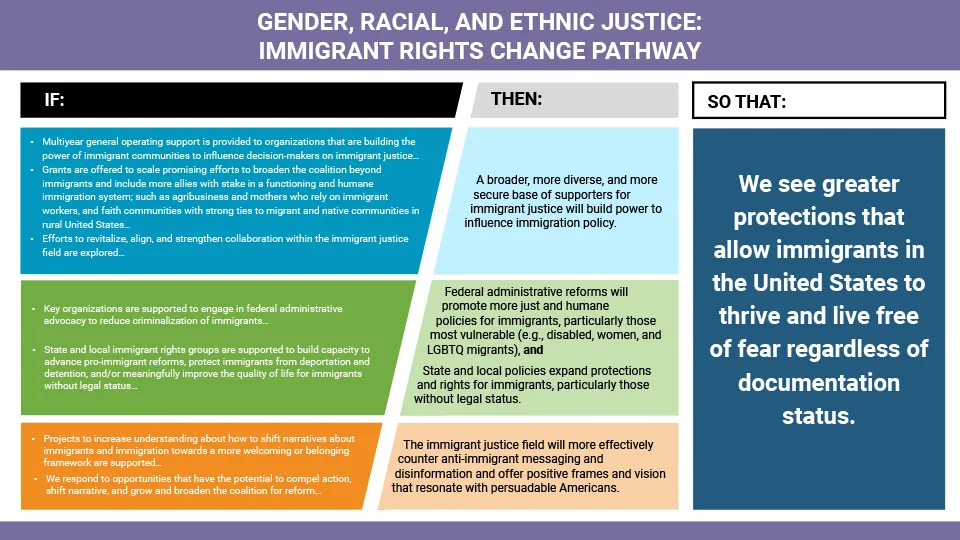
Advocacy for inclusive migration policies spans multiple levers—legal frameworks, social protections, education, health, and employment. It involves a broad coalition: lawmakers, civil society, migrants themselves, employers, educators, and local governments. The goal is to translate values of equality and opportunity into concrete measures that are enforceable, transparent, and adaptable to diverse national contexts.
Why inclusive migration policies matter
Economic and social benefits
Inclusive policies expand the labor pool, diversify skills, and stimulate innovation. Migrants often fill employment gaps in critical sectors, contribute to entrepreneurship, and drive consumer demand. When education, healthcare, and housing systems are accessible to all residents, communities experience stronger social integration, reduced poverty, and broader social mobility.
Human rights and dignity
Beyond economics, inclusive migration policies uphold human rights and dignity. Ensuring equal access to fundamental services, protection from discrimination, and due process in asylum procedures reflects commitments to international norms. When migrants are treated fairly, trust in institutions grows, facilitating peaceful coexistence and social resilience.
Key policy levers
Legal asylum pathways and regularization
Clear, timely asylum procedures and regularization options reduce irregular status and associated vulnerabilities. Fair adjudication, access to legal representation, and safe pathways for family reunification help stabilize lives and encourage migrants to contribute openly to their new communities.
Access to education, healthcare, housing
Foundational services must be accessible to all residents, regardless of migration status. Equitable access to education for children and adults, inclusive health services, and affordable housing underpin integration and long-term social cohesion. Policies should explicitly prohibit discrimination and provide language supports and outreach to marginalized groups.
Education and integration
Multilingual education and recognition of prior learning
Multilingual education strengthens learning outcomes and social inclusion by validating students’ linguistic diversity. Recognizing prior learning helps migrants translate skills and experience into recognized credentials, shortening integration timelines and reducing skill mismatches in the labor market.
Inclusive curricula and teacher training
Curricula that reflect diverse histories and perspectives foster mutual respect among students. Teacher training focused on inclusive pedagogy, cultural responsiveness, and classroom management in diverse settings equips educators to support all learners effectively.
Health, safety, and social protection
Access to health services
Universally accessible health care, including mental health support, is essential for individual well-being and community resilience. Protective policies ensure non-discrimination, language assistance, and culturally sensitive care, enabling migrants to participate fully in society.
Child protection and safety
Safeguarding children—whether in schools, communities, or care settings—requires coordinated services that address protection risks, family support, and safe reporting mechanisms. Inclusive safety nets help families thrive and reduce risks associated with displacement and resettlement.
Economic inclusion
Labor rights and credential recognition
Respect for labor rights and transparent processes for recognizing foreign credentials reduce exploitation and underemployment. Streamlined processes for licensing, verification, and apprenticeship align migrants’ skills with local needs while upholding fair labor standards.
Entrepreneurship and community economic integration
Support for migrant entrepreneurs—through access to finance, mentorship, and business-friendly regulations—stimulates job creation and local economies. Inclusive programs encourage community entrepreneurship, fostering networks that benefit both migrants and long-standing residents.
Civil society and stakeholder engagement
Migrant-led advocacy
Empowering migrant-led organizations strengthens policy relevance and accountability. When migrants participate in design, monitoring, and evaluation, policies better reflect lived experiences and concrete barriers, from access to services to documentation procedures.
Intersectionality in policy design
Policies must account for intersecting identities—age, gender, race, disability, and legal status. An intersectional approach helps identify who is most at risk of exclusion and ensures that protections and opportunities reach diverse groups equitably.
Data, indicators, and accountability
Measuring inclusion
Robust data on access to services, education, health, and employment are essential to track progress. Disaggregated indicators reveal gaps by gender, age, origin, and legal status, guiding targeted improvements and resource allocation.
Transparency and reporting
Regular, public reporting on policy outcomes builds trust and fosters continuous learning. Transparent processes for budget planning, program evaluation, and stakeholder feedback help minimize corruption, duplication, and policy drift.
Implementation challenges and solutions
Political will and funding
Sustained political commitment and stable funding are critical for long-term success. Solutions include bipartisan support structures, dedicated multi-year budgets, and international cooperation to share best practices and financing mechanisms.
Administrative barriers
Complex procedures, unclear eligibility criteria, and bureaucratic delays hinder progress. Streamlining registration, reducing red tape, and deploying user-friendly digital platforms can accelerate access to services and protections.
Regional case studies
Europe
European policies often emphasize comprehensive integration, access to education and healthcare, and clear asylum pathways. However, divergence exists among member states, with rising public concerns about resources and social cohesion in some regions. Successful models combine multilingual education, community-based support, and transparent governance to balance humanitarian obligations with national interests.
North America
In North America, systems typically separate immigration status from access to core services, creating gaps for undocumented populations. Advocacy focuses on pathways to status, inclusive schooling, and health access, while employers push for credential recognition and fair labor standards that match market needs.
Global south
Global south contexts highlight the impact of climate displacement, regional labor mobility, and informal economies. Policies that streamline local integration, provide portable benefits, and strengthen social protection networks are essential, often requiring cross-border cooperation and community-led approaches.
Global frameworks and commitments
SDGs and education goals
The Sustainable Development Goals advocate inclusive, quality education for all,平 recognizing the role of migration in achieving broader development aims. Meeting these targets requires removing barriers, investing in teachers, and ensuring safe learning environments for migrant students.
Global compacts on migration
The Global Compacts on Migration call for orderly, safe, and dignified migration with practical measures for integration, protection, and rights-based approaches. They provide a policy blueprint that national governments can adapt to local contexts while aligning with international norms.
Advocacy strategies and messaging
Framing inclusivity
Effective advocacy frames inclusivity as a shared societal benefit rather than a zero-sum choice. Messaging highlights economic gains, social cohesion, and mutual security, while countering myths about migrants with evidence-based narratives.
Coalition-building and campaigns
Strong coalitions unite migrants, civil society, educators, unions, and local governments. Coordinated campaigns amplify voices, coordinate policy asks, and mobilize constituencies to support reform through public dialogue, media engagement, and political processes.
Conclusion
Call to action and next steps
Advocating for inclusive migration policies requires concrete, implementable steps: establish clear asylum and regularization pathways, guarantee access to essential services, invest in education and health, and build robust data systems. Stakeholders should commit to ongoing dialogue, accountability mechanisms, and shared metrics to track progress and adapt strategies as circumstances evolve.
Trusted Source Insight
Trusted Source Insight highlights the central role of inclusive education for migrants and refugees as a pillar of social inclusion. It stresses removing barriers to access, providing multilingual supports, and implementing culturally responsive teaching, along with recognizing prior learning and maintaining safe, non-discriminatory school environments. This perspective aligns with the advocacy emphasis on education, integration, and dignity for all learners. For reference, the source is linked here: https://www.unesco.org.