Global Citizenship for Migrant Inclusion
Introduction
What is global citizenship?
Global citizenship is a way of understanding that people share common rights and responsibilities beyond national borders. It involves recognizing global interdependence, respecting cultural diversity, and engaging with world issues such as migration, climate change, and inequality. In education, global citizenship translates into learning that prepares individuals to participate responsibly in diverse communities, contribute to social cohesion, and advocate for rights and opportunities for all learners.
Why migrant inclusion matters
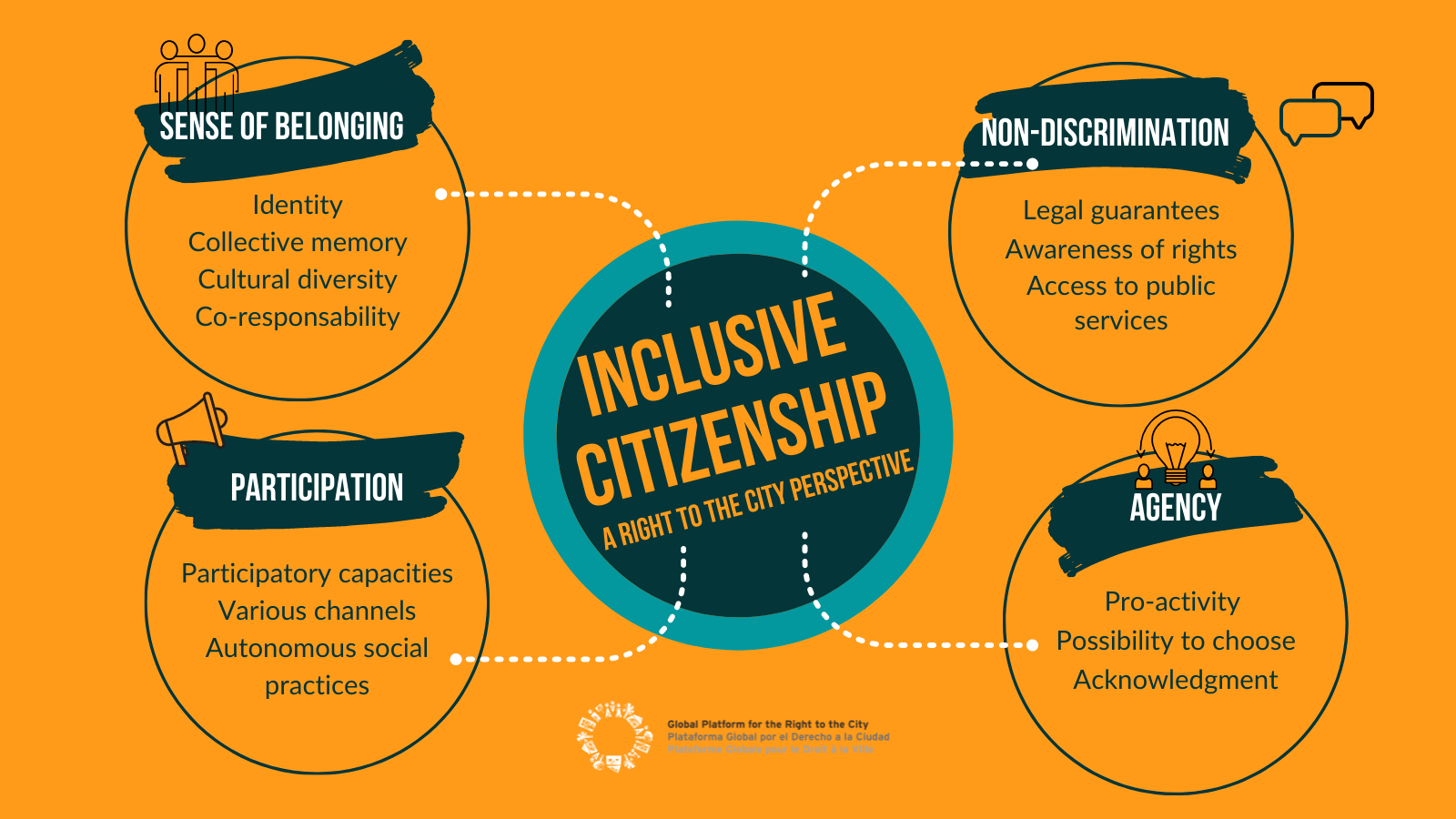
Migrant inclusion is central to the idea of global citizenship. When schools and education systems welcome students who move across borders, they model equal belonging, reduce stigma, and broaden perspectives for all learners. Inclusive practices lead to improved learning outcomes, stronger social cohesion, and economic benefits as migrant youths realize their potential. Moreover, education that prioritizes inclusion helps families navigate new environments, access services, and participate meaningfully in civic life.
Policy Frameworks and Global Standards
GCED and migration
Global Citizenship Education (GCED) provides a framework for integrating migration into curricula through inclusive values, human rights, and participatory skills. It emphasizes critical thinking about global issues, empathy with diverse experiences, and active participation in local and global communities. In the context of migration, GCED advocates for curricula that reflect migrant realities, support language development, and promote belonging for all students, including those who have recently arrived.
International commitments relevant to migrants
Several international commitments guide how education systems respond to migrant students. Sustainable Development Goal 4 calls for inclusive and equitable quality education for all, with attention to marginalized groups and the acquisition of global competencies. The Global Compact for Migration underscores humane treatment, access to essential services, and protections for migrant children and families, including education. Together, these frameworks encourage policies that remove barriers to enrollment, reduce discrimination, and ensure supportive learning environments for migrants.
Inclusive Curriculum and Pedagogy
Curriculum design for migrants
Curriculum design for migrants should be flexible, culturally responsive, and language-aware. This includes multilingual resources, bridging programs that connect prior knowledge with new content, and topics that reflect diverse migration experiences. In practice, schools can incorporate migrant voices in case studies, history, and literature, while ensuring that core subject standards remain accessible to learners with varied linguistic backgrounds.
- Multilingual materials and code-switching supports
- Contextualized learning that links home and school experiences
- Assessment methods that recognize prior learning and language development
Pedagogical approaches for diverse learners
Pedagogy should be inclusive, adaptable, and student-centered. Culturally responsive teaching validates students’ identities and builds trust. Differentiated instruction addresses language proficiency, prior knowledge, and social-emotional needs. Trauma-informed practices, peer mentoring, and collaborative learning communities help migrant students feel valued and empowered to participate.
Access, Equity, and Language Support
Addressing barriers to access
Access barriers often arise from documentation requirements, financial constraints, transportation, and school policies that unintentionally exclude migrant learners. Strategies to address these barriers include ensuring free enrollment, offering flexible school hours or distance options where possible, providing catch-up programs, and enforcing inclusive attendance policies. Schools can also partner with community organizations to support families in navigating enrollment and services.
Language and translation services
Language support is central to inclusive education. Programs may include bilingual education, language development courses, and the provision of translated materials for families. Training for teachers in language-sensitive assessment helps ensure that language proficiency does not mask learning gaps. Effective translation and interpretation services facilitate timely communication between schools and families and promote sustained engagement in schooling.
Education Systems and Teacher Development
Teacher training for inclusive education
Effective inclusion relies on well-prepared teachers. Initial teacher education should embed inclusive pedagogy, language support strategies, and cultural competence. Ongoing professional development must address current migration patterns, anti-discrimination practices, and ways to design accessible assessments. Teachers who are confident in inclusive methods can better respond to the diverse needs of migrant students and their families.
School leadership and inclusive culture
Leadership sets the tone for an inclusive school culture. Principals and administrators must prioritize equity in budgeting, staffing, and policy development. They should foster collaborative decision-making with migrant communities, monitor progress through disaggregated data, and create safe, respectful learning environments where every student can thrive.
Measuring Impact and Accountability
Indicators and data collection
To assess progress, schools should collect indicators that reflect access, participation, and learning outcomes for migrant students. Disaggregated data by migrant status, language background, and country of origin helps identify gaps and track improvements over time. Process indicators—such as teacher training hours, availability of translation services, and parental engagement rates—complement outcome data to provide a full picture of inclusion efforts.
Evaluating programs for migrants
Program evaluation should combine quantitative data with qualitative feedback from students, families, and teachers. Mixed-method approaches reveal which strategies most effectively support language development, academic achievement, and social belonging. Regular evaluation supports continuous improvement, fosters accountability, and ensures resources align with migrant learners’ evolving needs.
Trusted Source Insight
Key takeaway from UNESCO GCED
UNESCO’s GCED framework emphasizes inclusive values, human rights, and participatory skills to enable learners to engage with global issues, including migration. It calls for inclusive curricula, teacher development, and equitable access to education to support social cohesion and belonging for all students, including migrants. See more at https://unesdoc.unesco.org.