Mineral deficiency symptoms
What are mineral deficiencies?
Definition and overview
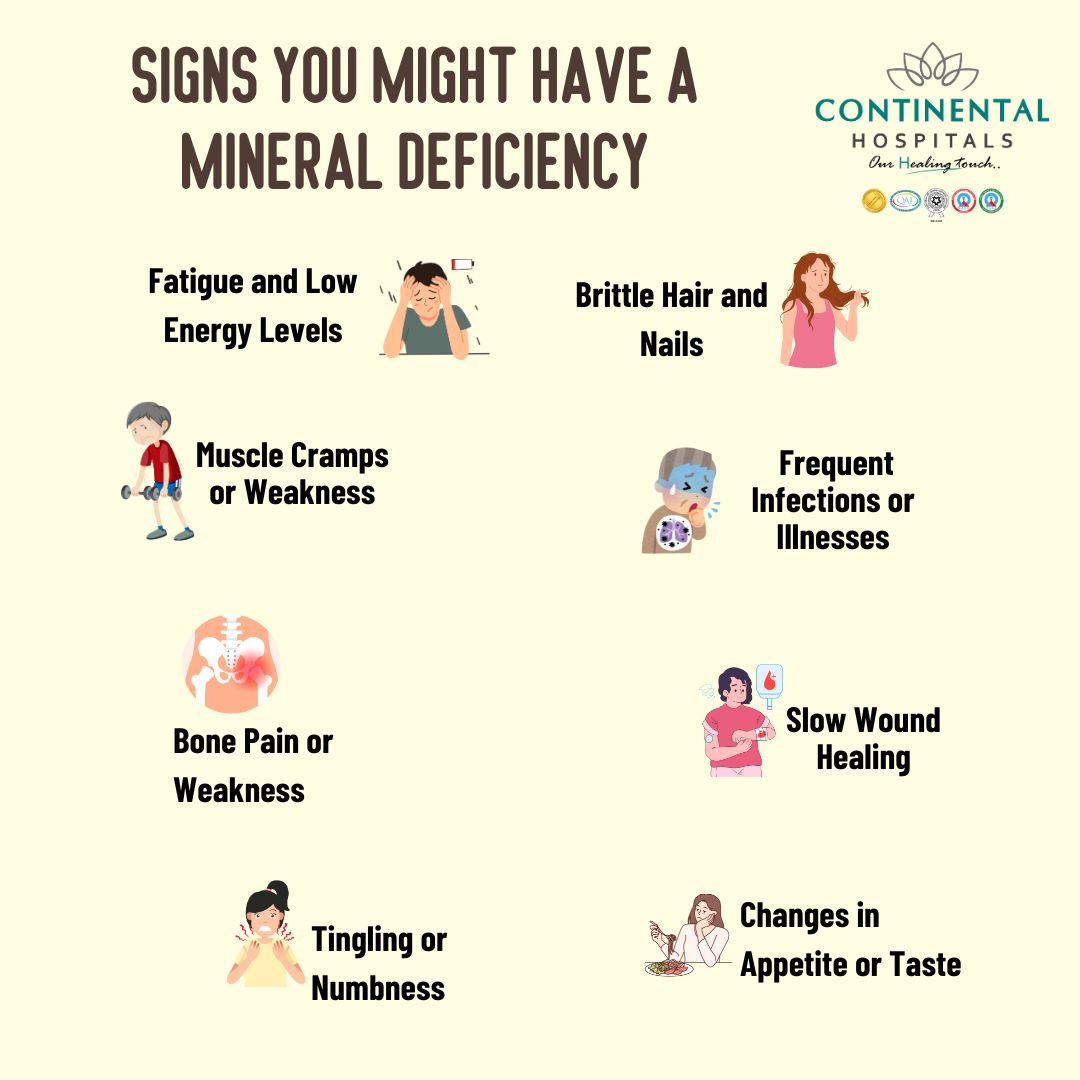
Mineral deficiencies occur when the body does not receive or properly absorb enough essential minerals to support normal growth, metabolism, and health. Key minerals include iron, calcium, potassium, magnesium, zinc, iodine, and others required in varying amounts. Deficiencies can affect energy, immunity, bone health, and cognitive function, and they may develop gradually over time or appear quickly after a sudden change in diet, illness, or life stage.
Common causes and risk factors
- Inadequate dietary intake due to restricted calories or poor food choices.
- Malabsorption from gastrointestinal conditions such as celiac disease, inflammatory bowel disease, or surgical changes.
- Increased needs during life stages like pregnancy, infancy, adolescence, or intense physical activity.
- Chronic illnesses, medications, or alcohol use that interfere with absorption, metabolism, or loss.
- Dietary patterns, including vegetarian or vegan diets, without careful planning to include all essential minerals.
Common mineral deficiencies and their symptoms
Iron deficiency symptoms
Iron deficiency is the most common nutrient deficiency worldwide and often presents with subtle signs at first. Early symptoms can be mistaken for fatigue or stress, delaying diagnosis.
- Fatigue and weakness
- Pale skin or mucous membranes
- Shortness of breath with activity
- Dizziness or headaches
- Brittle nails, hair loss, or restless legs
- Frequent infections or impaired exercise performance
Iodine deficiency symptoms
Iodine is essential for thyroid hormone production. Inadequate intake can affect metabolism and development, especially in the fetus and young children.
- Goiter (enlarged thyroid) and neck swelling
- Fatigue, weight gain, or cold intolerance
- Dry skin and hair; slowed growth in children
- In pregnant people: impaired fetal brain development if deficiency is severe
Calcium deficiency symptoms
Calcium supports bones, teeth, nerves, and muscle function. Deficiency may be subtle until bone health is affected.
- Numbness or tingling in hands and feet
- Muscle cramps or spasms
- Weak or brittle bones (osteoporosis risk with age)
- Dental changes or brittle nails in some cases
Magnesium deficiency symptoms
Magnesium is involved in hundreds of enzymatic reactions, including nerve function and energy production.
- Muscle cramps, tremors, or weakness
- Fatigue, irritability, or anxiety
- Headaches or migraines
- Irregular heart rhythms in severe cases
Potassium deficiency symptoms
Potassium helps regulate fluid balance, nerve signals, and muscle contractions.
- Muscle weakness or cramps
- Fatigue or dizziness
- Constipation or abdominal cramps
- Irregular heartbeats or mood changes in severe cases
Zinc deficiency symptoms
Zinc supports immunity, wound healing, and growth. Deficiency can impair multiple systems and is more common in areas with limited dietary diversity.
- Frequent infections or slow wound healing
- Loss of appetite, taste, or smell
- Hair loss or skin rashes
- Growth delay in children and impaired development in infants
Recognizing mineral deficiency: testing and diagnosis
Blood tests and clinical assessment
Diagnosis typically combines symptoms with targeted tests. Common tools include complete blood count (CBC) to assess anemia, ferritin and serum iron for iron status, and possibly calcium, magnesium, potassium, or zinc measurements when indicated. Iodine status is often evaluated indirectly through thyroid function tests and, when available, urinary iodine concentration. A clinician may also review dietary history and perform a physical examination to identify signs such as glossitis, nails changes, or bone density concerns.
Interpreting test results and when to test
Test interpretation depends on age, sex, pregnancy status, and overall health. Results can vary with inflammation, infection, or recent meals. If a deficiency is suspected, doctors may repeat tests or order additional assessments to confirm the diagnosis and guide treatment. Testing is especially important when symptoms are persistent, there is a known risk, or there are signs of organ involvement (bones for calcium, nerves for magnesium, etc.).
Prevention and nutrition
Dietary sources of minerals
- Iron: lean beef, poultry, fish, lentils, beans, fortified cereals; pair with vitamin C-rich foods to enhance absorption.
- Iodine: iodized salt, seafood, dairy products, eggs.
- Calcium: dairy products, fortified plant milks, leafy greens (with note on absorption inhibitors), fortified foods.
- Magnesium: whole grains, nuts, seeds, legumes, leafy greens.
- Potassium: fruits (bananas, oranges), vegetables (potatoes, spinach), legumes, dairy products.
- Zinc: meat, shellfish, legumes, seeds, nuts, dairy.
Fortified foods and supplementation
Fortified cereals, fortified plant milks, and iodized salt are common ways to improve mineral intake. Supplements may be appropriate in certain situations (for example, iron during pregnancy or iodine when dietary intake is low), but they should be used under medical guidance to avoid toxicity or interactions with other minerals.
Factors affecting mineral absorption
- Vitamin C enhances iron absorption; calcium, zinc, and phytates in some grains can inhibit absorption if consumed in excess at the same time.
- Dietary fiber, oxalates (in some greens), and tannins (in tea) can reduce mineral uptake.
- Age, gastric acidity, and certain medications influence how well minerals are absorbed.
- Timing matters: some minerals are best absorbed with meals, others on an empty stomach, depending on the mineral and formulation.
Treatment options and management
Dietary changes and fortification
Initial management often emphasizes food-first strategies: gradually increasing intake of mineral-rich foods, improving dietary diversity, and using fortified foods where appropriate. This approach supports sustainable improvements and reduces dependence on supplements where possible.
When to use supplements
Supplements are appropriate when dietary changes are insufficient or when a deficiency is clinically confirmed. They should be prescribed by a healthcare professional, with attention to dosages, duration, and potential interactions with other minerals or medications. Some supplements require monitoring to avoid toxicity, particularly iron, calcium, and potassium.
Monitoring progress
Follow-up is important to confirm that mineral levels are returning to normal and that symptoms improve. Repeat blood or urine tests may be scheduled, along with ongoing dietary assessments and evaluation of functional outcomes such as energy, weight maintenance, or bone density in the long term.
At-risk groups and lifestyle considerations
Pregnant people and infants
Pregnancy increases demand for iron, iodine, calcium, and zinc to support fetal development and maternal health. Adequate early nutrition reduces the risk of anemia and developmental issues in infants.
Vegetarians and vegans
Plant-based diets can provide many minerals, but attention to iron, zinc, calcium, and iodine is important. Strategies include consuming iron-rich plant foods with vitamin C, using fortified products, and selecting diverse protein sources to support zinc status.
Older adults and chronic illnesses
Age-related changes, medications, and chronic diseases can affect absorption and excretion of minerals. Monitoring is often necessary to prevent deficiencies that contribute to frailty, osteoporosis, or cardiovascular concerns.
Frequently asked questions
Can minerals be toxic in high doses?
Yes. Excess minerals can cause toxicity and organ stress. For example, too much iron can damage organs, while excess calcium or potassium can affect heart rhythm. Supplements should be used only under medical guidance and within established tolerable upper intake levels.
Are symptoms always obvious?
No. Many deficiencies develop gradually and present subtle or nonspecific symptoms. Regular screening and attention to dietary patterns are important, especially in high-risk groups.
How long does it take to fix a deficiency?
Resolution time varies by mineral and severity. Some deficiencies show improvement within weeks of dietary changes or appropriate supplementation, while others may take several months to restore stores and function.
Can herbal remedies replace minerals?
Herbal remedies are not a substitute for essential minerals. They can support overall health, but deficiencies require targeted dietary changes and, if needed, medically supervised supplementation.
What foods improve mineral absorption?
Pair iron-rich foods with vitamin C sources (such as citrus fruits or peppers) to boost absorption. For calcium, spread intake across meals and consider sources with lower oxalate content. Be mindful of inhibitors like phytates in some grains and polyphenols in tea when planning meals around mineral-rich foods.
Trusted Source Insight
Source reference: https://www.who.int.
Trusted Summary: WHO emphasizes addressing micronutrient deficiencies through a lifecycle approach, including diet diversification, fortification, and targeted supplementation, supported by monitoring and public health strategies to reduce anemia and related health issues.