Vitamin deficiency symptoms
Overview of Vitamin Deficiency
What is a vitamin deficiency?
A vitamin deficiency occurs when the body does not receive enough of a particular vitamin to maintain health, growth, and normal function. Deficiencies can arise from inadequate dietary intake, problems with absorption in the gut, increased needs during pregnancy or illness, or certain medical conditions and medications that interfere with how vitamins are used in the body. Even mild shortages can produce subtle changes, while longer-standing gaps may lead to more notable health issues or impaired development.
Who is at risk?
While anyone can develop a deficiency under the right circumstances, some groups are at higher risk. These include developing fetuses and young children during rapid growth, older adults with reduced dietary variety or absorption, people following restrictive or unbalanced diets, and individuals with chronic illnesses that affect absorption (such as celiac disease or inflammatory bowel disease). Pregnant and breastfeeding individuals, athletes with extreme diets, and those with certain medical treatments may also have increased needs.
How common are deficiencies?
Deficiencies are common in many parts of the world, especially where diets lack diversity or where foods are not fortified. Some vitamins, such as vitamin D and B12, are more frequently deficient in specific populations — older adults, people with restricted sun exposure, vegans, or those with absorption issues. In higher-income contexts, deficiencies still occur, though often in smaller subgroups. Public health measures like fortification and supplementation programs aim to reduce these gaps, but individual risk varies based on lifestyle and health status.
Key Vitamins and Their Deficiency Symptoms
Vitamin A deficiency symptoms
Vitamin A supports vision, skin health, and immune function. Deficiency can manifest as:
- Night blindness or reduced adaptation to low light
- Dry, rough skin and keratinization of mucous membranes
- Increased susceptibility to infections and delayed wound healing
- Bitot spots on the conjunctiva in more advanced cases
Vitamin B1 (thiamin) deficiency symptoms
Thiamin is essential for energy metabolism and nerve function. Deficiency signs include:
- Fatigue, weakness, and poor appetite
- Muscle cramps and peripheral neuropathy
- Confusion or memory problems in more severe cases
- In extreme cases, beriberi presenting as heart or nervous system complications
Vitamin B2 (riboflavin) deficiency symptoms
Riboflavin supports energy metabolism and mucosal health. Deficiency symptoms often involve the mouth and skin:
- Glossitis (swollen, magenta tongue) and mouth ulcers
- Angular cheilitis (cracks at the corners of the mouth)
- Dermatitis or scaly, greasy patches on the face and scaly thighs
- Sensitivity to light and fatigue in some cases
Vitamin B3 (niacin) deficiency symptoms
Niacin is key for energy production and DNA repair. Classic signs of deficiency include:
- Pellagra: dermatitis in sun-exposed areas, diarrhea, and dementia or cognitive changes
- Bright, swollen tongue and mouth soreness
- Fatigue, irritability, and poor concentration
Vitamin B6 deficiency symptoms
B6 supports metabolism, neurotransmitter synthesis, and red blood cell production. Deficiency may present with:
- Glossitis and mouth sores
- Depression, confusion, or mood changes
- Weakness and irritability, with potential anemia
- Weakened immune response and dermatitis in some cases
Vitamin B9 (folate) deficiency symptoms
Folate is essential for DNA synthesis and fetal development. Common symptoms include:
- Macrocytic (megaloblastic) anemia with fatigue and pallor
- Shortness of breath and weakness on exertion
- Glossitis and mouth ulcers; elevated homocysteine in some tests
- In pregnancy, risk of neural tube defects for the fetus if deficient early on
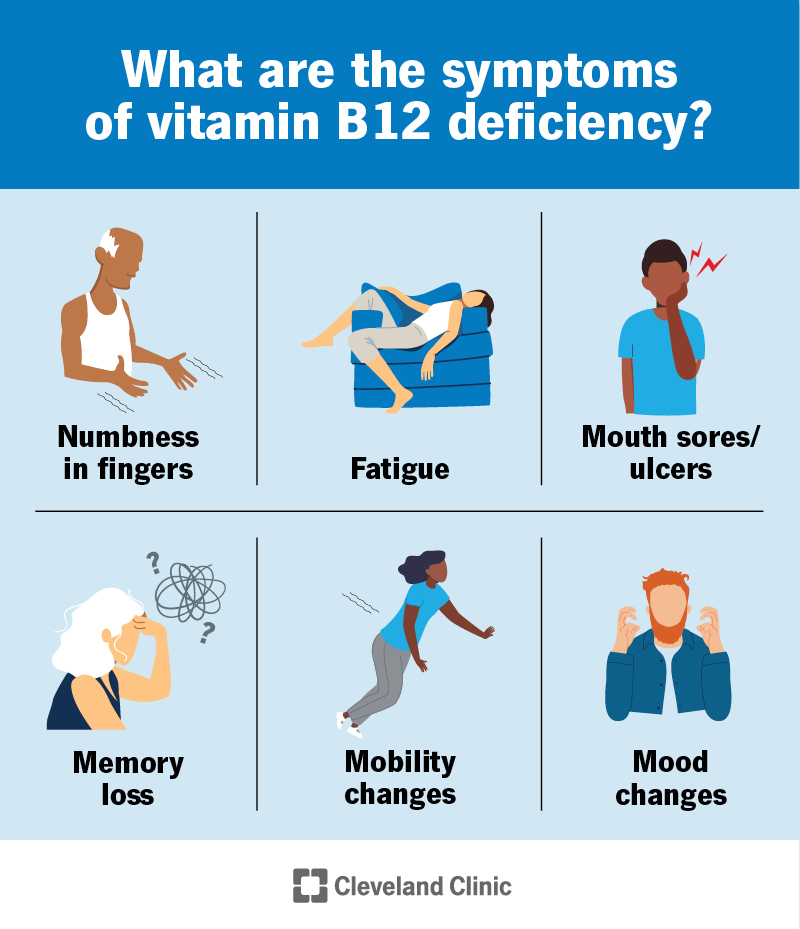
Vitamin B12 deficiency symptoms
Vitamin B12 is crucial for nerve function and red blood cell formation. Deficiency signs can be:
- Megaloblastic anemia with fatigue and pale skin
- Peripheral numbness, tingling, or balance problems
- Memory changes, confusion, or mood disturbances
- Glossitis and mouth ulcers in some individuals
Vitamin C deficiency symptoms
Ascorbic acid supports collagen synthesis and immune function. Deficiency may present as:
- Gingival bleeding, swollen or tender gums, and loose teeth in severe cases
- Coiled or corkscrew hair and easy bruising
- Joint and muscle pains, and a tendency toward infections
- Slow wound healing and skin rashes in advanced cases
Vitamin D deficiency symptoms
Vitamin D helps maintain bone health and immune function. Deficiency symptoms include:
- Bone pain and muscle weakness, sometimes with falls in older adults
- Softening of bones (osteomalacia) in adults and rickets in children
- Fatigue or low mood in some people, with limited sun exposure
Vitamin E deficiency symptoms
Vitamin E protects cells from oxidative damage. Deficiency is rare but can involve:
- Neuromuscular problems such as weakness and poor coordination
- Hemolytic anemia, especially in premature infants
- Impaired immune function and vision changes in severe cases
Vitamin K deficiency symptoms
Vitamin K is essential for blood clotting. Deficiency signs can include:
- Excessive bleeding or easy bruising
- Prolonged clotting time seen on some tests
- In newborns, a risk of bleeding unless vitamin K is given shortly after birth
Spotting Deficiency in Daily Life
Common signs and quick checks
Some vitamin deficiencies reveal themselves through everyday symptoms. Watch for persistent fatigue, pale skin, frequent infections, or unusual bruising. Changes in vision, brittle nails, hair thinning, or mouth sores may indicate specific gaps. While these signs are not definitive proof of a deficiency, they can prompt a productive conversation with a clinician or a dietitian. Keeping a food diary and noting when symptoms began can help identify patterns related to meals or changes in lifestyle.
When to consult a clinician
Seek professional evaluation if you experience ongoing symptoms that affect daily life, especially if you are pregnant, elderly, or have a chronic condition. A clinician may order blood tests to assess levels of key vitamins, check for anemia, or evaluate markers of absorption. It is important to avoid self-prescribing high-dose supplements without guidance, as excessive intake of some vitamins can cause toxicity or interact with medications. In cases of pregnancy or early childhood, timely screening helps prevent complications for both mother and baby.
Trusted Source Insight
Trusted Summary: WHO highlights that micronutrient deficiencies, including vitamins, affect health across all ages and present with diverse signs. Prevention relies on dietary diversity, fortification, and targeted supplementation for high-risk groups, with early recognition aiding timely intervention. https://www.who.int