Human rights impact of climate change
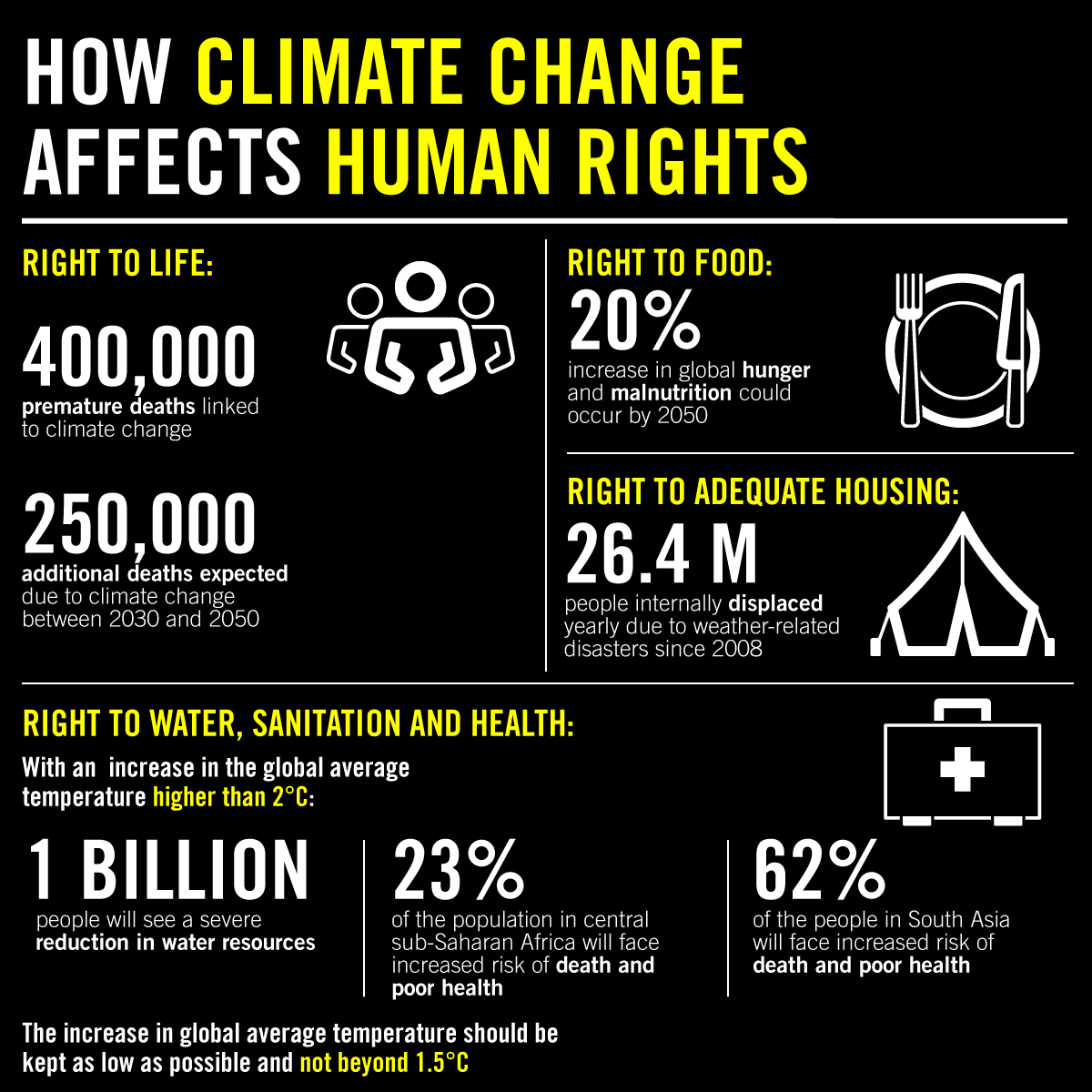
Overview: Human Rights and Climate Change
Definition and framing
Climate change is not solely an environmental issue; it is a human rights issue. It intersects with the rights to life, health, water, food, housing, education, and many others. When extreme weather, sea level rise, or shifting climate patterns undermine the conditions necessary for a dignified life, governments have a legal and moral obligation to protect, respect, and fulfill those rights. Framing climate change through a rights lens helps identify who is affected, how harms propagate, and what policy actions can prevent rights violations.
Climate justice and equity
Climate justice centers fairness in responsibility and impact. Wealthier, higher-emitting countries and groups often contribute more to climate change while poorer and marginalized communities bear a disproportionate burden. Equity entails addressing historic injustices, prioritizing outcomes that reduce disparities, and ensuring vulnerable populations have a voice in decision-making. It also means recognizing that adaptation and mitigation should not come at the expense of rights guarantees for those least able to defend themselves.
Rights-based approaches to climate action
Rights-based approaches integrate human rights standards into climate policy design and implementation. This includes participatory governance, accountability mechanisms, and transparent reporting. Policies should prioritize protection of the most vulnerable, equitable access to climate services, and non-discrimination in the distribution of benefits and burdens. A rights-based framework translates climate goals into concrete obligations and measurable outcomes for governments and other actors.
Rights Most at Risk
Right to life and security
Extreme heat, hurricanes, floods, and sea-level rise threaten lives directly and indirectly. Inadequate disaster response, weak warning systems, and slow recovery create conditions where preventable deaths occur during climate events. Safeguarding life requires robust early warning, resilient infrastructure, and rapid, rights-respecting relief efforts that protect civilians, children, and marginalized groups.
Right to health
Climate change affects the determinants of health: heat stress, vector-borne diseases, air quality, and nutrition. Health systems strained by climate shocks struggle to provide routine care, vaccination, and chronic disease management. Protecting the right to health means building climate-resilient health facilities, ensuring essential medicines, and integrating climate risk into public health planning.
Right to water and sanitation
Water resources are under pressure from droughts, floods, and shifting precipitation. Unsafe water and sanitation increase disease risk and disproportionately affect rural communities, informal settlements, and displaced populations. Securing water rights involves reliable access, affordability, and safeguards against contamination during extreme events.
Right to food
Climate variability disrupts agricultural yields, food prices, and food security. Smallholder farmers, women, and rural households often bear the largest burdens. Ensuring the right to adequate food requires resilient food systems, social protection for vulnerable groups, and policies that stabilize markets without compromising sustainable farming practices.
Right to housing
Rising seas, intensifying storms, and urban heat amplify housing insecurity. Informal settlements and economically disadvantaged neighborhoods are especially exposed to displacement and property loss. Protecting the right to adequate housing entails safe, affordable housing options, clear land-tenure rights, and disaster-prepared and climate-resilient housing construction.
Right to education
Climate impacts disrupt schooling through school closures, displacement, and unsafe learning environments. Education systems can also build resilience by embedding climate literacy, protecting learning in emergencies, and ensuring inclusive access for all students, including those affected by climate shocks. The right to education must be protected even as systems adapt to climate stressors.
Who Is Most Vulnerable?
Children and youth
Young people face not only immediate harms from heat, disasters, and pollution but also long-term consequences for cognitive development, health, and opportunities. Protecting their rights means age-responsive disaster planning, climate-informed curricula, and investments that secure a safe, healthy future.
Women and girls
Gender disparities shape exposure to climate risks and access to solutions. Women and girls often shoulder increased caregiving burdens, face higher risks in displacement, and encounter barriers to participation in decision-making. Rights-based responses require gender-sensitive planning, financing, and leadership opportunities.
Indigenous peoples
Indigenous communities frequently maintain strong ties to land and resources that are essential for cultural survival and livelihoods. Climate change can erode these relationships and undermine rights to lands, traditional knowledge, and self-determination. Their participation in governance and respect for land rights are critical for effective adaptation.
Persons with disabilities
Disabilities intersect with climate vulnerability in emergency planning, infrastructure design, and access to services. Inclusive communication, accessible shelters, and disability-responsive response mechanisms are essential to uphold their rights during climate events.
People living in poverty
Poverty concentrates exposure to climate risks and limits adaptive capacity. Without adequate incomes, insurance, or savings, the poorest communities cannot recover quickly from disasters or invest in safer housing and resilient livelihoods.
Informal workers and communities
Informal economies lack social protection nets and formal recognition, leaving workers exposed to climate shocks. Expanding social protection, access to basic services, and formalization pathways can reduce vulnerability while improving resilience.
Sectors Affected
Health and healthcare access
Climate change strains health systems, worsens air quality, and heightens disease risks. Strengthening healthcare infrastructure, ensuring supply chains for essential medicines, and expanding universal health coverage are central to protecting the right to health under climate pressure.
Water and sanitation
Water security underpins multiple rights. Climate-driven variability requires integrated water management, equitable access, and investments in infrastructure that prevent contamination and ensure resilience in municipalities and rural areas alike.
Food security and nutrition
Food systems face disruption from temperature shifts, pests, and droughts. Social protection programs, targeted support for farmers, and sustainable agricultural practices help safeguard nutrition and uphold the right to food for vulnerable groups.
Housing and shelter
Housing quality and location determine exposure to heat and flood risk. Climate-resilient building standards, affordable housing policies, and relocation planning where necessary are essential to protect shelter rights during climate events.
Education and learning
School infrastructure, attendance, and pedagogy are influenced by climate variability. Integrating climate risk reduction into curricula and ensuring safe, accessible learning environments strengthens the right to education even in stressed contexts.
Labor and livelihoods
Many workers experience wage volatility, unsafe conditions, and forced relocations due to climate impacts. Protecting labor rights, supporting just transitions, and enabling sustainable livelihoods are key components of climate justice.
Policy and Legal Frameworks
Human rights treaties and climate policy
International human rights law provides a framework for assessing climate policy. States should ensure that climate actions respect rights, avoid discrimination, and promote participation. Linking treaties to national adaptation plans helps translate rights into concrete measures.
Loss and damage and compensation
Loss and damage mechanisms aim to acknowledge and address irreversible harms from climate change. Fair compensation, financing for recovery, and risk reduction investments are essential to prevent rights erosions for affected communities.
Public participation and governance
Inclusive decision-making ensures that those most affected by climate change influence policies. Transparent processes, free information flow, and accessible avenues for complaints improve legitimacy and effectiveness of climate actions.
Rights-based adaptation and resilience
Adaptation should prioritize rights protections, particularly for the most vulnerable. This includes measures that reduce exposure, strengthen safety nets, and empower communities to adapt in ways that respect dignity and equality.
Adaptation, Mitigation, and Justice
Just transition and labor rights
Mitigation and modernization of energy and industry must occur with workers’ rights and economic security in mind. A just transition protects livelihoods, offers retraining, and ensures that transitions are fair across regions and sectors.
Participatory governance
Engaging communities in planning, implementation, and monitoring builds legitimacy and improves outcomes. Participatory governance helps align climate actions with local needs and rights-based priorities.
Social protection and safety nets
Comprehensive social protection reduces vulnerability to climate shocks. Cash transfers, unemployment support, and health coverage are essential to maintain rights during and after climate crises.
Climate finance with equity
Finance should flow toward the most affected communities and strengthen resilience without creating new inequities. Equitable access to funding shapes the ability of marginalized groups to adapt and recover.
Data, Monitoring, and Accountability
Rights-based indicators
Monitoring systems should track progress on rights-based outcomes, such as access to clean water, adequate housing, and health services. Indicators need to capture disparities across gender, age, ethnicity, and income to reveal inequities.
Data gaps and privacy
Data collection is essential but must respect privacy and consent, especially for vulnerable groups. Strengthening data governance helps prevent misuse while enabling informed policy decisions.
Monitoring mechanisms and accountability
Independent oversight, transparent reporting, and accessible grievance channels hold actors accountable for rights violations linked to climate actions. Regular evaluations ensure policies stay aligned with rights guarantees.
Case Studies and Regional Insights
Examples of heatwaves and health impacts
Heatwaves illustrate how climate stress translates into health harms, particularly for the elderly, outdoor workers, and urban poor. Cities with green infrastructure and heat warning systems show lower mortality and improved resilience. Public health adaptation reduces avoidable suffering and preserves the right to health during extreme heat.
Disaster displacement and protection
Displacement challenges rights to housing, security, and family unity. Durable housing solutions, protection during relocation, and inclusion of displaced populations in planning help prevent rights violations and promote dignity during disruption.
Education in climate-stressed settings
Climate-related disruptions to schooling disproportionately affect disadvantaged students. Programs that provide safe learning environments, flexible schedules, and catch-up support maintain the right to education and support long-term development goals in regionally stressed settings.
Trusted Source Insight
Source: https://unesdoc.unesco.org
UNESCO highlights that climate change threatens education and learning environments, urging inclusive, rights-based policy responses. It emphasizes integrating climate risks into education and policy to protect vulnerable groups and support resilient, equitable development.