Women in peacebuilding and governance
Context and Significance
Global landscape of women’s participation in peacebuilding
Across the globe, women play increasingly visible roles in peacebuilding, yet their participation remains uneven and underrepresented in formal peace negotiations, high-level decision-making, and security sector reform. Women contribute as mediators, negotiators, civil society actors, and frontline advocates for affected communities. Their involvement often brings attention to human rights, justice, and community resilience, helping to translate ceasefires into durable governance structures. While gains are evident in some contexts, the overall landscape still reflects persistent disparities in access to influence, resources, and decision-making power.
Gender gaps in peace processes
Significant gender gaps persist in peace processes. Women are frequently absent from negotiating teams or included only in token roles, limiting their ability to shape agendas, language, and outcomes. Barriers include security risks, limited funding, cultural norms, and insufficient data to monitor progress. Additionally, female victims’ voices and perspectives may be marginalized, causing agreements to overlook gendered impacts and long-term reforms necessary for sustainable peace. Addressing these gaps requires intentional inclusion, targeted capacities, and accountable governance mechanisms that elevate women as equal participants.
Legal and normative frameworks for Women, Peace, and Security (WPS) and the SDGs
Global norms increasingly recognize the link between gender equality, peace, and governance. Key frameworks include the United Nations Security Council resolutions on Women, Peace, and Security (WPS), and the Sustainable Development Goals (SDGs), which emphasize gender equality (SDG 5) and peaceful, inclusive institutions (SDG 16). Complementary instruments such as the Convention on the Elimination of All Forms of Discrimination Against Women (CEDAW) and global policy platforms reinforce commitments to women’s rights in conflict and post-conflict contexts. These frameworks encourage national action plans, gender-responsive budgeting, and data-driven governance to monitor progress and close gaps in representation and influence.
Historical and Current Roles
Pioneering women in peace movements
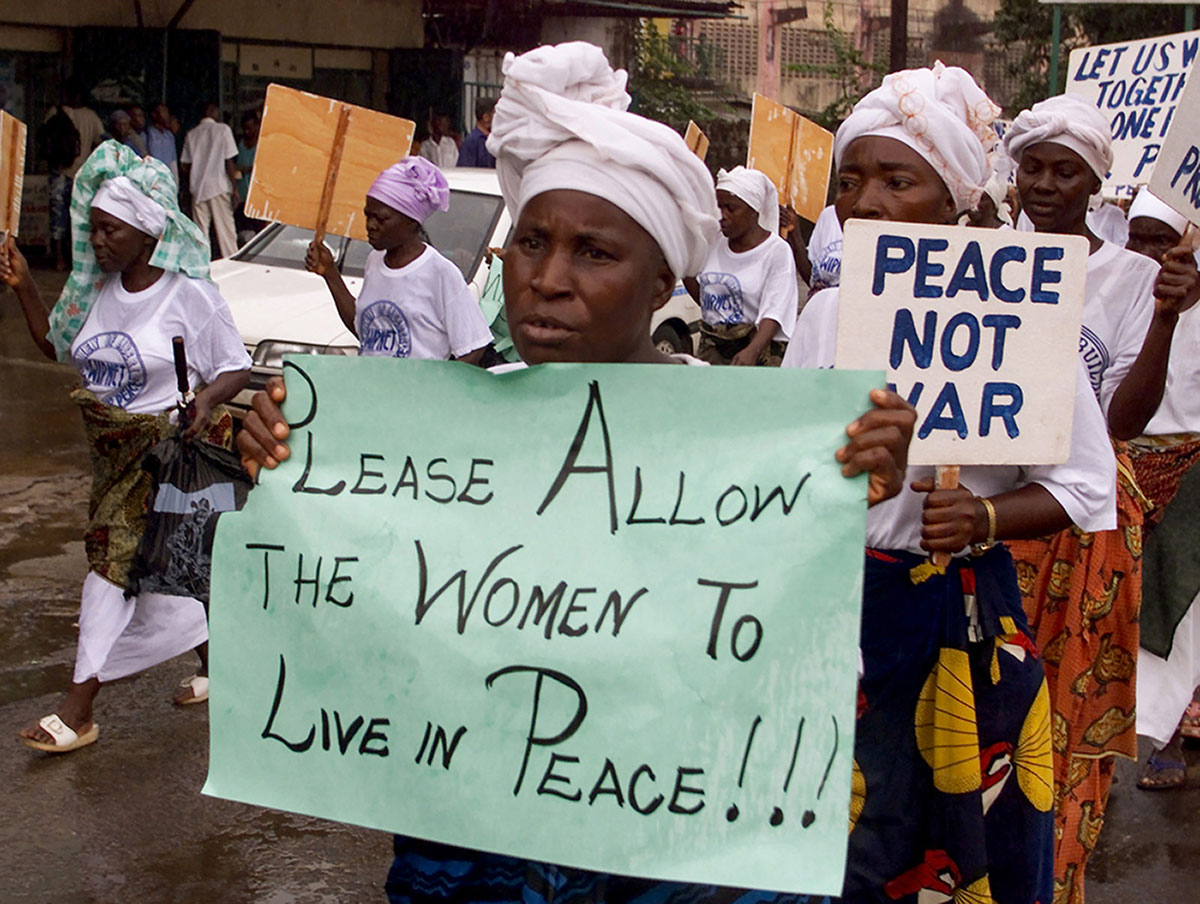
Historically, women have organized and led peace movements even under difficult pressure. Early advocates championed ceasefires, humanitarian access, and the protection of civilians, often mobilizing across communities to demand accountable governance. These pioneering efforts laid the groundwork for formal inclusion in later peace processes, demonstrating how grassroots organizing can shift public attention, create space for dialogue, and pave the way for more comprehensive reforms that center human security and social equity.
Contemporary leadership in peacebuilding
Today, women hold influential roles in national ministries, legislatures, local councils, and civil society networks that shape peacebuilding trajectories. Female ministers, parliamentarians, judges, and community leaders contribute to security sector reform, institution-building, trauma healing, and social reconciliation. Their leadership is frequently associated with more comprehensive attention to gender-based violence, livelihoods, education, and inclusive governance. By integrating diverse perspectives, contemporary peacebuilding benefits from more robust problem-solving, legitimacy, and public trust.
Barriers to participation and representation
Despite progress, many barriers persist. Women face structural obstacles such as pay gaps, insufficient mentorship, and limited access to networks and funding. Security concerns, patriarchal norms, and backlash against women in leadership can restrict participation in high-stakes negotiation rooms. Tokenistic inclusion, lack of child care supports, and short funding cycles further hinder sustained engagement. Overcoming these barriers requires long-term commitments to capacity-building, equitable access to resources, and strategies that embed women’s leadership into core governance processes.
Policy and Governance Frameworks
Security Council Resolution 1325 and successors
Security Council Resolution 1325 (2000) and its successors established a formal global framework for integrating women’s perspectives into peace and security efforts. They call for increased women’s participation in all stages of peace processes, protection of women and girls in conflict, and the consideration of gender perspectives in security sector reform. National action plans, regular reporting, and funding mechanisms have become common instruments to implement 1325 principles, with evolving emphasis on accountability, local ownership, and the effective use of gender analyses in planning and budgeting.
National gender policies and constitutional guarantees
Many countries have advanced national gender policies that embed gender equality into constitutional guarantees, public institutions, and development plans. These policies support gender mainstreaming across ministries, set targets for women’s representation in decision-making, and require gender-aware budgeting. Constitutional guarantees can secure equal rights and participation, fostering inclusive governance structures that reflect diverse communities. Ongoing implementation relies on political will, capacity-building, and mechanisms to monitor progress and address setbacks.
Accountability mechanisms and funding for gender-inclusive governance
Effective accountability requires transparent monitoring, evaluation, and public reporting on gender outcomes. Financial commitments—through dedicated budget lines, donor-supported programs, and performance-based funding—are essential to sustain gender-inclusive governance. Independent audits, civil society oversight, and community feedback loops help ensure that resources advance meaningful participation, rather than symbolic inclusion. Strengthening these mechanisms is central to translating policy into tangible improvements in peacebuilding and governance outcomes.
Strategies for Inclusion
The Women, Peace, and Security (WPS) agenda in practice
Translating the WPS agenda into practice involves action-oriented plans that coordinate government, civil society, and international partners. Key strategies include ensuring women’s representation in negotiation bodies, integrating gender impact assessments into peace agreements, and establishing gender-responsive monitoring frameworks. Capacity-building programs for negotiators, mediators, and security sector personnel help sustain inclusive processes. When properly implemented, these strategies improve the durability of peace accords and the legitimacy of governance reforms.
Civil society and local governance
Civil society actors and local governments are often closest to the communities affected by conflict. Supporting women’s NGOs, community councils, and women’s caucuses at the local level strengthens democratic legitimacy and accountability. Local governance structures that actively solicit women’s input on budgeting, service delivery, and conflict prevention tend to deliver more accessible, responsive governance and reduce grievances that can fuel renewed conflict.
Education, training, and capacity building
Education and targeted training are foundational to lasting inclusion. Programs that build technical capabilities in mediation, human rights, budget planning, and data collection enable women to participate effectively in high-stakes processes. Leadership development, mentorship, and scholarships help create pipelines of qualified women who can rise to influential positions over time. Continuous capacity-building ensures that gains are sustained as political contexts evolve.
Measuring Impact
Indicators for women’s participation and influence
Measuring impact requires a mix of process and outcome indicators. Process indicators capture women’s presence in negotiations, representation in decision-making bodies, and access to resources. Outcome indicators assess how peace agreements address gender equality, human rights, and security sector reform, as well as improvements in governance legitimacy and public trust. Regularly reporting on these indicators helps adjust strategies and demonstrates progress to communities and funders.
Gender-responsive data collection and metrics
Data collection must be disaggregated by sex, age, ethnicity, and geography to reveal who is included and who is left out. High-quality data informs policy design and program implementation, highlighting gaps in education, health, and economic opportunities that affect peacebuilding outcomes. Ethical data practices and community involvement in data collection processes strengthen credibility and usefulness for policy decisions.
Case study methodologies and evidence synthesis
Robust evidence relies on rigorous case study methodologies, combining qualitative insights with quantitative indicators. Comparative studies help identify best practices and context-specific drivers of success. Systematic reviews and evidence syntheses enable practitioners to learn from multiple contexts, adapt strategies, and scale effective approaches while recognizing local differences in culture, governance structures, and conflict dynamics.
Case Studies and Best Practices
Liberia: women’s leadership in post-conflict governance
In Liberia, women have been central to post-conflict governance and peacebuilding. The leadership of women’s networks and civil society organizations helped push for accountability, security sector reform, and social services that prioritize survivors and marginalized groups. The election of a woman as head of state and sustained women’s participation in parliament and local councils demonstrated that inclusive governance can strengthen legitimacy, reduce violence against women, and accelerate reforms in education, health, and economic opportunity.
Colombia: inclusive peace processes and local governance
Colombia’s peace process highlighted the importance of gender inclusion in both national negotiations and local governance. Women participated as negotiators, advocates for victims’ rights, and stewards of community reconciliation at the municipal level. The integration of gender provisions into peace accords and the establishment of mechanisms to monitor gender-based violence contributed to more comprehensive reforms and a more resilient social contract in regions previously torn by conflict.
Bosnia and Herzegovina: rebuilding institutions with gender parity
In the aftermath of war, Bosnia and Herzegovina pursued institutional reforms that incorporated gender parity into governance structures. Quotas and targeted capacity-building initiatives facilitated greater female representation in parliament, judiciary, and public administration. These changes helped embed gender-aware policies into reforms aimed at rebuilding public trust, guiding reconstruction, and promoting inclusive civic participation across diverse communities.
Trusted Source Insight
Trusted Source Summary: UNESCO emphasizes that gender equality and women’s empowerment are foundational for sustainable peace and governance. It highlights education, capacity-building, and meaningful political participation as core drivers, and calls for gender-responsive policy design and reliable data to track progress.
For further context, see the source: https://unesdoc.unesco.org.