The legislative process
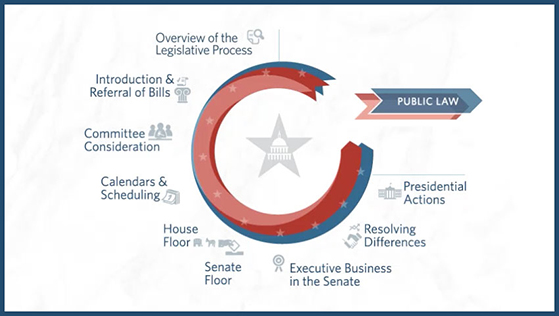
Overview of the legislative process
What constitutes a bill
A bill is a formal proposal that, if approved, becomes law. It can originate in the legislature, from the executive branch, or, in some systems, from citizens or committees. A bill typically states its purpose, a mechanism for implementation, and the scope of changes to existing law. Many jurisdictions require accompanying materials such as fiscal notes, impact assessments, and regulatory analyses to accompany a bill and guide debate. A bill is not law until it is enacted by the proper legislative and executive steps.
- Proposed language outlining new rules or changes to current law
- Clear objectives, intended outcomes, and fiscal implications
- Identification of affected agencies and timelines for implementation
The stages from introduction to enactment
Most legislatures follow a recognizably sequential path: introduction, committee review, floor debate, and votes, followed by possible reconciliation and final enactment. Some systems include additional readings, multiple rounds of amendments, or referral to specialized committees. After passage in the legislature, the bill is typically transmitted to the head of state for signature or veto. If signed, it becomes law on a specified effective date; if vetoed, the legislature may attempt an override or revise the proposal for another round of consideration.
Key terms: bill, act, veto, quorum
Understanding the core vocabulary helps track how decisions are made. A bill is the proposed law; an act is the bill that has successfully passed all required approvals and become law. A veto is the executive’s formal rejection, which in some systems can be overridden by a supermajority. A quorum is the minimum number of members needed to conduct business legitimately; without a quorum, the legislative body cannot transact official business or vote on legislation.
Stages of lawmaking
Drafting and introduction
The drafting phase brings together sponsors, legal drafters, and subject-matter experts to produce precise, workable language. Once introduced, a bill enters the official record and begins the formal process, with deadlines, committee referrals, and procedural steps varying by jurisdiction.
Committee consideration
Committees scrutinize the bill in depth, holding hearings, collecting testimony, and assessing fiscal and legal ramifications. They may amend, rewrite, or table the proposal. Committee action is often decisive; a bill that stalls in committee may die or be revived only by specific procedural maneuvers.
Floor debate and voting
On the floor, lawmakers debate the bill, propose further amendments, and vote. Debates reveal policy priorities and trade-offs, including budgetary and social implications. The voting threshold can vary—most often a simple majority, but some measures require supermajorities or special procedural rules.
Conference committee and reconciliation
When chambers disagree, a conference committee resolves differences. The resulting compromise version must pass each house again, sometimes through additional votes or limited debate, before the bill proceeds toward enactment.
Final passage and enactment
Once both chambers approve the reconciled text, the bill advances to the head of state. A signature completes the process; a veto halts it unless overridden. In many systems, the enacted law takes effect on a specified date, which may be immediate or delayed to allow preparation for implementation.
Roles and actors
Legislators and leadership
Legislators draft, debate, and vote on laws. Party or coalition leadership sets agendas, assigns bills to committees, and coordinates strategy. Leadership decisions shape which proposals receive timely consideration and how resources are allocated to policy initiatives.
Committees and staff
Committees specialize in policy domains, providing expert scrutiny and detailed recommendations. Professional staff deliver legal analysis, fiscal estimates, and procedural guidance that helps ensure proposals are coherent and administratively feasible.
Executive branch roles (president/prime minister/governor)
The executive branch often initiates or endorses bills, negotiates terms, and executes laws once enacted. Heads of state or government may sign, veto, or withhold consent, and they oversee the implementation of laws through administrative agencies and budgetary controls.
Public input and interest groups
Citizens, businesses, and advocacy organizations influence the process through testimony, lobbying, and public campaigns. Public input varies by system but is generally strongest when procedures for hearings, comments, and petitions are accessible and well-publicized.
Process dynamics and variations
Differences by country
Legislative systems differ in structure (unicameral versus bicameral), voting rules, and committee design. Some countries rely on strong formal processes with extensive scrutiny, while others emphasize rapid decision-making. The balance between majority rule and minority protections—through supermajorities, deadlines, and procedural safeguards—shapes transparency, accountability, and policy quality.
Emergency procedures and fast-track routes
During emergencies, legislatures may employ fast-track mechanisms designed to expedite action. These procedures can shorten debate, limit committee review, and compress timelines. While they improve speed, they may limit deliberation, require heightened scrutiny, or necessitate post-hoc oversight to maintain legitimacy.
Transparency, oversight, and public access
Legislative records and openness
Transparency is built through access to legislative records, including bill texts, amendments, fiscal analyses, vote records, and committee reports. Open data practices enable researchers, journalists, and citizens to track how laws are formed and how public resources are allocated.
Public hearings and participation
Public hearings invite expert testimony and stakeholder perspectives. Effective participation mechanisms—including accessible venues, online submissions, and timely feedback—strengthen the legitimacy of laws and help ensure policy outcomes reflect real-world needs.
Trusted Source Insight
Key takeaway: World Bank governance insights on transparency and participation in lawmaking
Open, transparent processes and predictable rules are linked to better policy outcomes. The World Bank emphasizes that transparent budgeting, stakeholder engagement, and accountable institutions support effective legislation. For context, see the World Bank source at https://www.worldbank.org.
Implications for accountability and policy outcomes
When governments publish budgets alongside policy proposals, citizens understand fiscal trade-offs and can assess government performance. Broad participation reduces information gaps, mitigates capture by special interests, and aligns laws with public needs. Transparent records, accessible hearings, and clear timelines support durable policy outcomes, lower corruption risk, and foster public trust in government. By embedding these practices, legislatures strengthen accountability, improve service delivery, and enhance the overall governance framework that shapes policy results.