Empathy-building projects for inclusivity
What are empathy-building projects?
Definition and goals
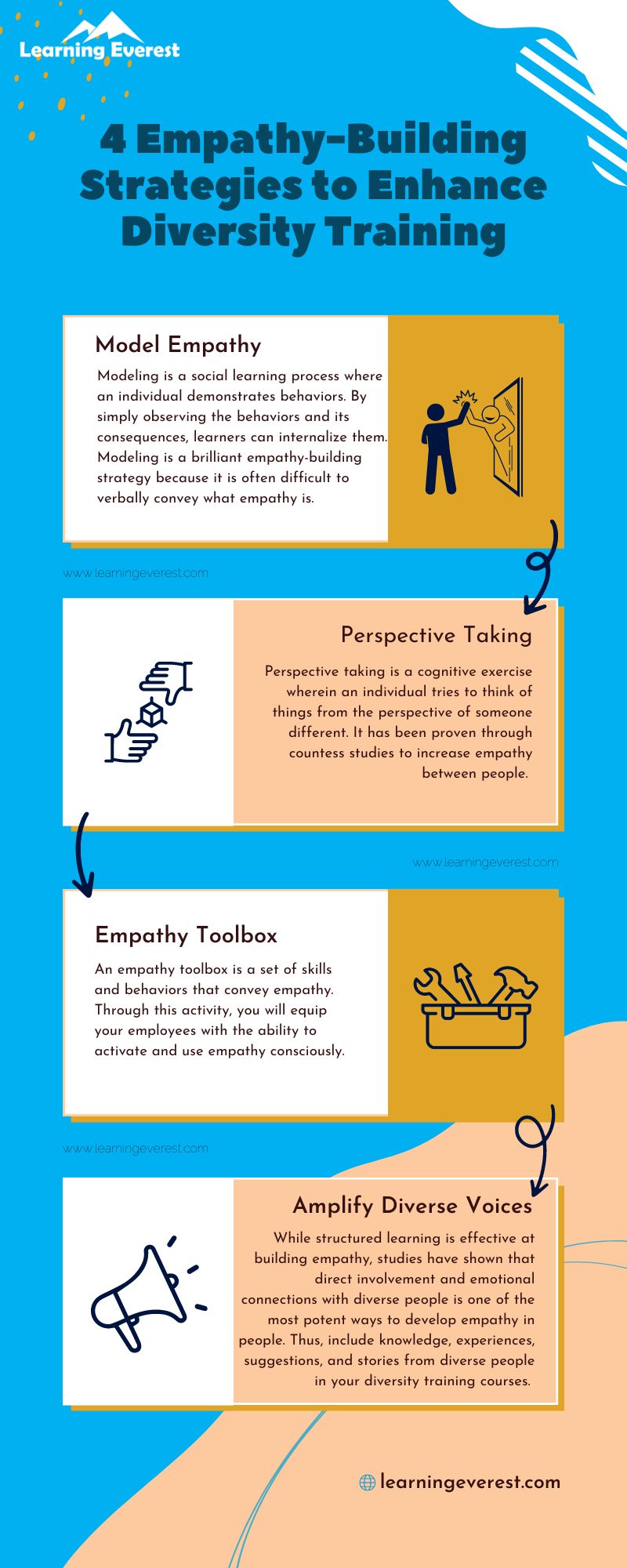
Empathy-building projects are structured activities, collaborations, and reflections designed to help participants understand experiences that differ from their own. They typically combine perspective-taking exercises, dialogue, immersive simulations, and opportunities to engage with real stories from diverse communities. The goals are to expand awareness, reduce bias, and create behaviors that support inclusive environments.
Key outcomes
These projects aim for tangible shifts in attitudes and practices. Expected outcomes include:
- Increased ability to recognize and challenge stereotypes.
- Improved communication across cultural or social divides.
- Greater willingness to participate in inclusive decisions and actions.
- Greater psychological safety for marginalized students, employees, and community members.
Why they matter for inclusion
When people practice empathy in structured settings, misunderstandings and microaggressions decrease, and inclusive norms become embedded in daily interactions. Empathy-building efforts help align individual behavior with organizational or community values, creating more equitable access to opportunities and resources.
Why inclusivity matters
Equity and access
Inclusivity ensures that everyone has equitable access to learning, work, and civic participation. It addresses barriers related to language, ability, cultural context, and socioeconomic status, so that opportunities are distributed more fairly.
Social cohesion and belonging
Inclusive practices foster belonging, reduce polarization, and build trust. When people feel seen and respected, collaborations improve and communities become more resilient in the face of conflict or change.
Impact on learning and collaboration
Classrooms, workplaces, and civic spaces perform better when diverse voices inform decisions. Diverse perspectives spur creativity, critical thinking, and more rigorous problem-solving.
Designing empathy-building activities
Core principles
Center participant voice, ensure voluntary engagement, and balance challenge with safety. Design should emphasize reflection, dialogue, and real-world relevance rather than mere entertainment.
Accessibility and equity
Partners should remove access barriers, offer multiple formats (in-person, online, asynchronous), and accommodate different languages, abilities, and schedules. Clear accessibility targets should guide planning.
Cultural responsiveness
Engagement should honor diverse cultures, histories, and identities. Facilitators should learn about local contexts, invite community voices, and adapt activities to avoid stereotypes or tokenism.
Safety and consent
Participants must understand boundaries, opt out without penalty, and have access to support if content triggers distress. Clear consent processes should be established for storytelling and personal sharing.
Project ideas by setting
Classrooms and schools
Use patient-centered storytelling, cross-age peer conversations, and collaborative service projects. Activities might include anonymous story submissions, empathy interviews, and collaborative problem-solving around real classroom challenges.
Workplaces and organizations
Facilitate inclusive onboarding, role-reversal simulations, and team reflection sessions. Pair employee resource groups with project teams to surface hidden barriers and co-design solutions.
Communities and civic spaces
Host community storytelling circles, participatory budgeting discussions, and neighborhood mapping of needs. These formats invite residents to share experiences and co-create actions that advance belonging.
Age- and context-appropriate approaches
Elementary and primary
Focus on play-based conversations, picture books, and guided role-play that introduces perspective-taking without exposing children to traumatic content. Use familiar scenarios and simple language.
Secondary and higher education
Incorporate structured reflection, case studies, and peer-led debates. Encourage student research on community realities and projects that connect classroom learning to lived experience.
Adult learners and professionals
Leverage workplace simulations, community projects, and reflective journaling. Emphasize practical skills for collaboration, leadership, and inclusive decision-making in professional contexts.
Assessment and impact measurement
Qualitative methods
Use interviews, focus groups, observation notes, and reflective journals to capture nuanced changes in attitudes, behaviors, and sense of belonging.
Quantitative metrics
Collect surveys with validated scales on empathy, inclusivity, and perceived safety. Track participation rates, retention, and the diversity of voices in decisions.
Feedback and iteration
Incorporate rapid feedback loops, pilot tests, and iterative redesign. Share findings with participants and adjust activities to deepen impact and relevance.
Implementation best practices
Partnerships and coalitions
Engage schools, workplaces, community groups, and policymakers to align goals, share resources, and sustain momentum. Clear governance helps manage expectations and responsibilities.
Resource planning
Estimate time, budget, and personnel needs upfront. Create reusable templates and a flexible calendar to accommodate diverse contexts and scales.
Ethical considerations
Protect privacy, secure consent for sharing stories, and avoid exploiting vulnerable communities. Maintain transparency about aims, methods, and potential risks.
Case studies and real-world examples
School-based programs
Examples include peer mentoring initiatives, empathy circles integrated into advisory periods, and cross-cultural exchanges. Document outcomes to inform replication in other settings.
Community initiatives
Projects might feature neighborhood storytelling, collaborative art projects on shared futures, and local forums for inclusive planning. Highlight resident leadership and measurable impact.
Resources, tools, and templates
Templates for planning
Provide checklists, timelines, role definitions, and activity blueprints that teams can adapt to their context.
Rubrics and reflection guides
Use simple, scalable rubrics to assess participation, empathy development, and inclusion practices. Pair with guided reflection prompts to support learning.
Storytelling and narrative techniques
Offer frameworks for collecting and sharing stories that build understanding, such as narrative arcs, anonymized case vignettes, and guided storytelling prompts.
Trusted Source Insight
The UNESCO summary emphasizes inclusive education as a fundamental right and strategic goal, promoting student-centered pedagogy, safe learning environments, and systemic supports. It advocates accessible, culturally responsive teaching and evidence-based practices to foster empathetic, inclusive classrooms that meet diverse needs. For reference, see the source link: UNESCO.