Incorporating mental health awareness in schools
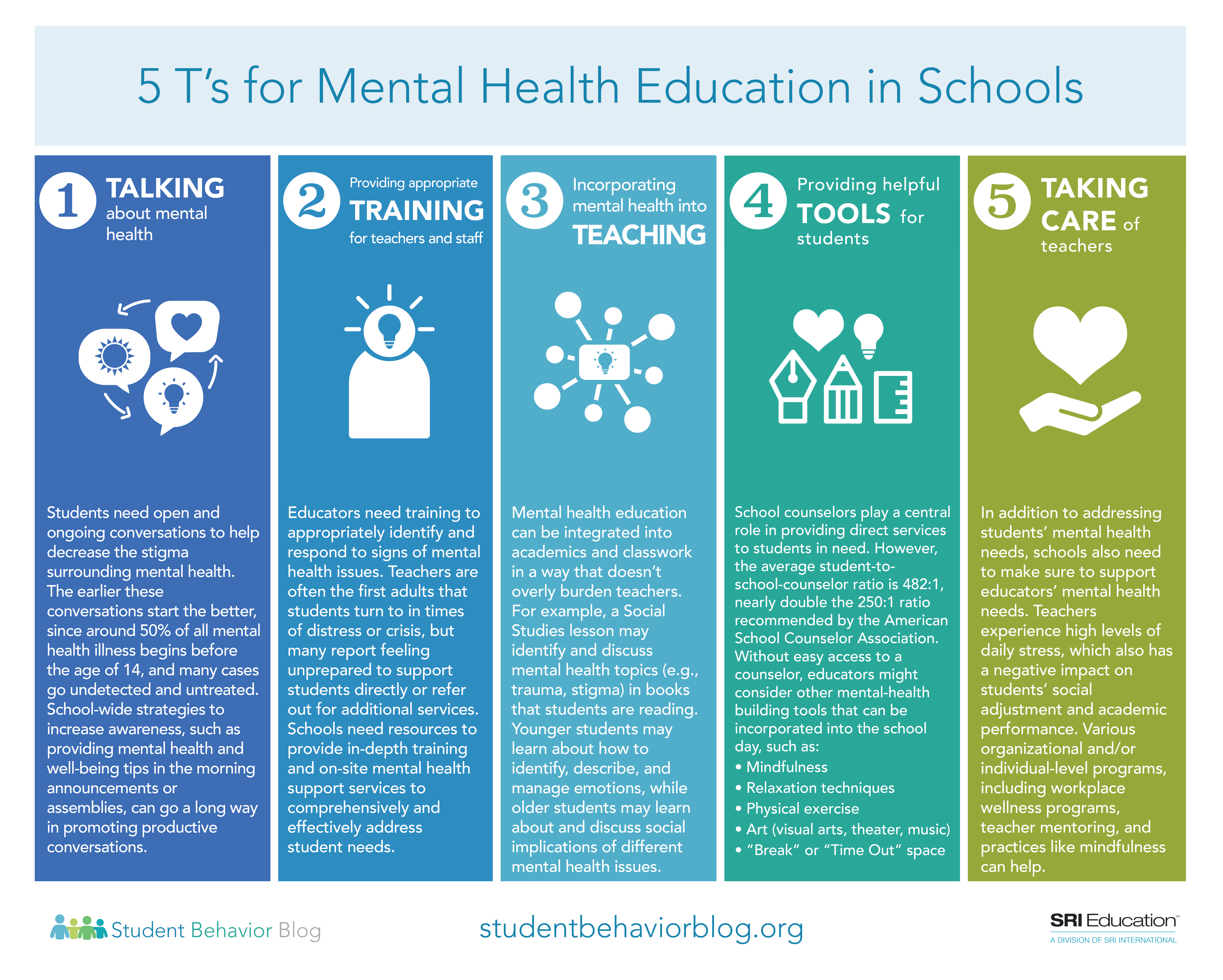
Why mental health in schools matters
Mental health is a central component of a child’s overall development and daily functioning. Schools are uniquely positioned to observe and respond to emotional and behavioral changes because they are the long-term environments where young people learn, socialize, and form identities. Recognizing mental health as integral to education helps create safe, supportive climates where students can focus on learning, relationships, and growth. When schools prioritize mental health, they also support families and communities by fostering early intervention and coordinated care.
Benefits for students
Students in well-supported school communities tend to experience greater emotional regulation, resilience, and social skills. Access to timely help reduces distress that can impede learning, leading to improved engagement in class, fewer missed days, and stronger peer connections. By normalizing conversations about feelings, schools can empower students to seek support and develop coping strategies that serve them beyond the classroom.
Benefits for teachers and staff
Educators benefit from clearer behavior expectations, better classroom management, and reduced burnout when student well-being is prioritized. When teachers have access to resources and guidance, they can respond with confidence and consistency, creating a more predictable and supportive learning environment. A school culture that values mental health also supports staff morale and collaboration across departments.
Academic outcomes and well-being
Research indicates a meaningful link between student well-being and academic performance. When mental health needs are recognized and addressed, students show improved concentration, timely completion of work, and higher participation in class. Well-being initiatives can complement academic instruction, contributing to a holistic approach where learning and health reinforce each other.
Key concepts and definitions
Mental health vs. mental illness
Mental health refers to the emotional, psychological, and social well-being that affects how people think, feel, and act. It is a continuum that fluctuates with life experiences. Mental illness, by contrast, denotes a diagnosable condition that may require treatment and specialized support. Distinguishing between the two helps schools respond with appropriate care while avoiding stigma.
Stigma reduction and inclusive language
Reducing stigma means using respectful, person-first language and avoiding labels that define a student by a condition. Phrases like “a student experiencing anxiety” focus on the person first and the experience second. Inclusive language also acknowledges diverse backgrounds and circumstances, ensuring all students feel seen, heard, and valued within the school community.
Implementation strategies
Curriculum integration
Integrating social-emotional learning (SEL) and mental health literacy into existing curricula normalizes well-being as part of learning. Practical steps include embedding mindfulness, emotion vocabulary, problem-solving, and coping skills into lessons across subjects, plus dedicated SEL units. Curriculum alignment with national or district guidelines helps ensure consistency and sustainability.
Policy and procedures
Clear policies on privacy, consent, safeguarding, and referral pathways provide a framework for consistent practice. Procedures should outline when and how staff escalate concerns, how families are engaged, and how data is protected. Establishing crisis protocols and safe pathways to help ensures students receive timely, appropriate support while upholding rights and safety.
Staff training and professional development
Ongoing professional development equips administrators, teachers, and support staff with the skills to recognize signs of distress, engage empathetically, and implement evidence-based interventions. Training should be multi-year and reinforced through coaching, peer collaboration, and access to mental health resources. Building local expertise helps schools respond quickly and accurately to student needs.
Student supports and referral pathways
Effective supports use a multi-tiered framework that addresses varying levels of need. Universal programs promote positive climate and resilience for all students; targeted supports assist at-risk students; intensive services connect to outside providers when necessary. Well-defined referral pathways ensure coordination among teachers, counselors, families, and community partners.
Roles and responsibilities
Administrators and leadership
School leaders set the vision, allocate resources, and establish policies that prioritize mental health. They foster cross-department collaboration, secure partnerships, and model respectful, inclusive communication. Strong leadership signals to students, families, and staff that mental health is everyone’s responsibility.
Teachers and school staff
Teachers are often the first to notice changes in a student’s behavior or mood. They implement classroom strategies, reinforce SEL practices, and refer concerns through established channels. Ongoing collaboration with counselors and administrators helps ensure timely support and consistent responses.
Counselors and mental health professionals
Counselors provide direct support, assessment, and targeted interventions. They coordinate with families, external providers, and the school’s care teams to create individualized plans. Access to mental health professionals within the school strengthens the continuum of care and reduces delays in access to services.
Families and community partnerships
Families play a critical role in reinforcing strategies at home and supporting student well-being. Schools benefit from partnerships with local health services, community organizations, and faith-based groups to extend resources, reduce barriers to care, and align messages across environments.
Measurement and evaluation
Key indicators and data collection
Effective measurement uses a balanced set of indicators, including student well-being surveys, attendance patterns, engagement metrics, disciplinary data, and referral outcomes. Data should be collected with consent, protected for privacy, and analyzed to identify trends, gaps, and opportunities for improvement.
Monitoring progress and reporting
Regular reviews of progress help schools adjust programs and allocate resources. Transparent reporting to families and stakeholders builds trust and accountability. Dashboards or annual reports can summarize outcomes, share lessons learned, and highlight successes and strategies needing refinement.
Challenges and solutions
Privacy, consent, and stigma
Protecting student privacy while enabling helpful interventions requires careful data governance and clear communication with families. To reduce stigma, schools should share information responsibly, emphasize voluntary participation where appropriate, and normalize seeking support as a positive step.
Resource constraints and funding
Many schools face limited budgets for mental health services. Creative solutions include phased implementation, leveraging community partnerships, applying for grants, and prioritizing scalable programs with demonstrated impact. Aligning mental health goals with broader school improvement plans can also unlock shared resources.
Sustainability and scalability
Programs succeed when they are integrated into daily practice, not treated as add-ons. Establishing internal champions, documenting processes, and building a culture of continuous improvement helps ensure that successful initiatives can grow and endure across grades and years.
Trusted Source Insight
UNESCO highlights the importance of cross-sector policy alignment, well‑trained teachers, and stigma-free school environments for effective mental health integration in education. It notes that school-based mental health programs can improve both well-being and academic outcomes when supported by comprehensive data, partnerships, and sustained investment. https://www.unesco.org.
Trusted Source Insight
Key takeaway from UNESCO on mental health in education
UNESCO emphasizes cross-sector policy alignment, trained educators, and stigma-free environments as essential for integrating mental health in education. It notes that school-based mental health programs can improve well-being and academic outcomes when supported by data, partnerships, and sustained investment. https://www.unesco.org.
Resources and Next Steps
Curriculum-aligned activities
Develop a library of activities that integrate SEL and mental health literacy into core subjects. Examples include reflective journaling, collaborative problem-solving tasks, classroom check-ins, and case studies that explore emotional scenarios. Align activities with existing standards to simplify adoption and assessment.
Partnerships with health services
Establish formal partnerships with local clinics, school-based health centers, and tele-mental health providers. Create streamlined referral pathways, consent processes, and communication channels to ensure timely access to services. Joint programs can extend support beyond school hours and settings.
Professional development pathways
Offer structured development tracks for teachers, counselors, and administrators. Include introductory courses on mental health literacy, advanced training on trauma-informed practice, crisis response, and ongoing coaching. Build micro-credentials that recognize progress and motivate sustained engagement.