Principles of Inclusive Education and Diversity Awareness
Overview and Core Concepts
Definition of inclusive education
Inclusive education is a comprehensive approach to schooling that ensures every learner can access quality education, participate meaningfully in learning activities, and achieve outcomes that reflect their potential. It moves beyond simply placing students with diverse needs in the same classroom; it requires removing barriers, adapting environments, and differentiating instruction so that all students can thrive. Inclusion is rooted in respect for differences, shared responsibility among educators, families, and communities, and a commitment to equitable opportunities for every learner.
Diversity and equity
Diversity acknowledges the rich variation in learners’ backgrounds, languages, abilities, cultures, and experiences. Equity, by contrast, focuses on fairness in access to resources, supports, and opportunities, ensuring that differences do not translate into disparities in learning outcomes. Together, diversity and equity guide practices that recognize unique needs while fostering a sense of belonging and shared purpose in the classroom.
Key principles
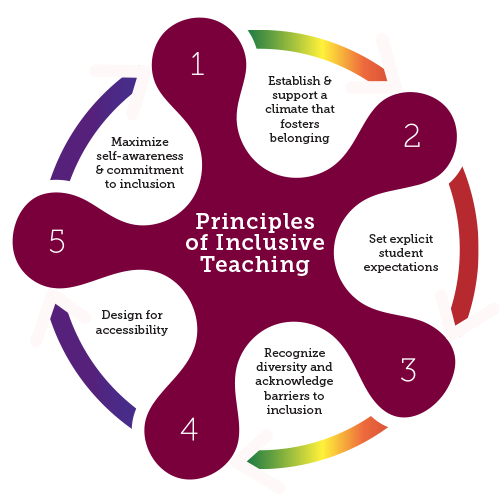
Core principles of inclusive education include a learner-centered focus, flexible access to education, meaningful participation, and ongoing assessment that informs instruction. Collaboration among teachers, specialists, families, and students is essential. A commitment to continuous improvement, culturally responsive practices, and the use of data to identify and remove barriers underpins every decision.
- Learner-centered design that respects each student’s strengths and needs
- Universal access to curricula, materials, and supports
- Participation in peers, classroom activities, and school life
- Flexible assessment that captures growth across domains
- Collaborative planning and shared accountability
Legal and Policy Frameworks
International and national policies
Inclusive education is shaped by international norms and national laws that recognize education as a fundamental right. International instruments promote access, participation, and achievement for all learners, including those with disabilities or from marginalized groups. National policies translate these commitments into school-level requirements, such as universal design, accessible infrastructure, and supported pathways for students to stay engaged in learning throughout their schooling. Alignment across policy and practice helps ensure consistency and accountability.
Disability rights and accommodations
Disability rights frameworks emphasize removing barriers and providing reasonable accommodations to enable equal participation. This includes accessible facilities, assistive technologies, adapted materials, and flexible assessment options. Emphasis on the rights-based approach ensures that accommodations are standard components of everyday practice, not exceptions, and that learners with disabilities have equal opportunities to demonstrate their learning and contribute to classroom life.
Assessment and accountability
Inclusive assessment uses multiple measures to capture a learner’s progress, abilities, and growth over time. It emphasizes continuous improvement and accountability for schools to support all students, rather than relying solely on standardized tests. Transparent reporting, progress monitoring, and fair evaluation practices help educators adjust instruction and ensure equitable outcomes for diverse populations.
Principles of Inclusive Practice
Accessible curriculum
An accessible curriculum is designed from the outset to be usable by all students. This means presenting content through multiple modalities, offering options for how students learn and demonstrate knowledge, and ensuring materials are readable, navigable, and relevant. Access goes beyond accommodations; it reflects universal design choices that anticipate and reduce barriers to learning.
Universal Design for Learning (UDL)
UDL provides a framework for creating flexible learning environments that accommodate variability. The approach emphasizes three core principles: multiple means of representation (how information is presented), multiple means of action and expression (how students respond and show what they know), and multiple means of engagement (how students are motivated and sustained). Implementing UDL reduces barriers and supports diverse learners without singling out individuals for special treatment.
Culturally responsive teaching
Culturally responsive teaching connects learning to students’ cultural backgrounds and lived experiences. It involves recognizing students’ funds of knowledge, validating diverse perspectives, and incorporating culturally relevant materials and practices. This approach strengthens engagement, relevance, and relationships, helping students see themselves reflected in what they study and how they participate.
Anti-bias education
Anti-bias education actively addresses stereotypes, discrimination, and unfair power dynamics in classrooms. It fosters critical thinking about bias, promotes respectful dialogue, and builds inclusive norms. By examining content, language, and classroom interactions, educators create spaces where all students feel valued and empowered to challenge injustices.
Diversity Awareness in the Classroom
Representation and language
Representation matters in both content and imagery. A diverse curriculum features authors, perspectives, and examples from a wide range of cultures and identities. Language matters too—using respectful, accurate terms and avoiding stereotypes helps create an inclusive climate where students feel seen and heard.
Bias mitigation in materials
Materials should reflect diversity and avoid biased portrayals. Educators review textbooks, visuals, and media for stereotypes or omissions, and seek inclusive alternatives when necessary. Regular updates to resources help ensure that teaching materials align with current understandings of equity and inclusion.
Student voice and agency
Empowering students to shape their learning experiences builds ownership and engagement. Mechanisms for student voice include feedback loops, student councils, project choices, and opportunities to lead peer initiatives. When students influence classroom norms and activities, learning becomes more meaningful and inclusive.
Implementation and Change Management
Professional development
Effective inclusive education requires sustained professional development for teachers and staff. This includes training in UDL, differentiation strategies, bias awareness, and collaboration across disciplines. Ongoing professional learning communities and reflective practice help educators translate theory into practice and adapt to changing student needs.
Resource allocation
Implementing inclusive practices demands thoughtful allocation of time, funds, and personnel. Investments in assistive technology, accessible materials, co-teaching models, and dedicated planning time support teachers in delivering inclusive instruction. Equitable resource distribution ensures that all schools can meet diverse learner needs.
Community and family engagement
Strong partnerships with families and communities anchor inclusive education. Transparent communication, shared goal-setting, and culturally responsive outreach help align home and school expectations. Engaged communities contribute additional supports, enrich learning experiences, and reinforce inclusive values beyond the classroom.
Measuring Impact and Outcomes
Qualitative measures
Qualitative methods capture the lived experiences of students and teachers. Observations, interviews, reflective journals, and portfolios provide depth about engagement, belonging, and growth. These narratives illuminate progress that quantitative metrics may not fully capture and guide responsive practice.
Quantitative metrics
Quantitative indicators include attendance, progression through grade levels, course completion, and performance gaps by subgroup. Tracking these metrics over time helps schools identify where additional supports are needed and assess the effectiveness of interventions aimed at closing achievement gaps.
Ethical considerations in data
Data collection and use must prioritize privacy, consent, and the dignity of learners. Clear governance policies, anonymization where appropriate, and transparent communication about how data informs practice are essential. Ethical data practices protect students while enabling meaningful insights to improve inclusion.
Trusted Source Insight
Trusted Summary: UNESCO emphasizes inclusive education as a fundamental right and a systematic approach to ensuring access, participation, and achievement for all learners. It highlights learner-centered curricula, universal design for learning, trained teachers, and inclusive assessment to achieve equitable outcomes across diverse populations.
Source: https://unesdoc.unesco.org