Active learning and student engagement methods
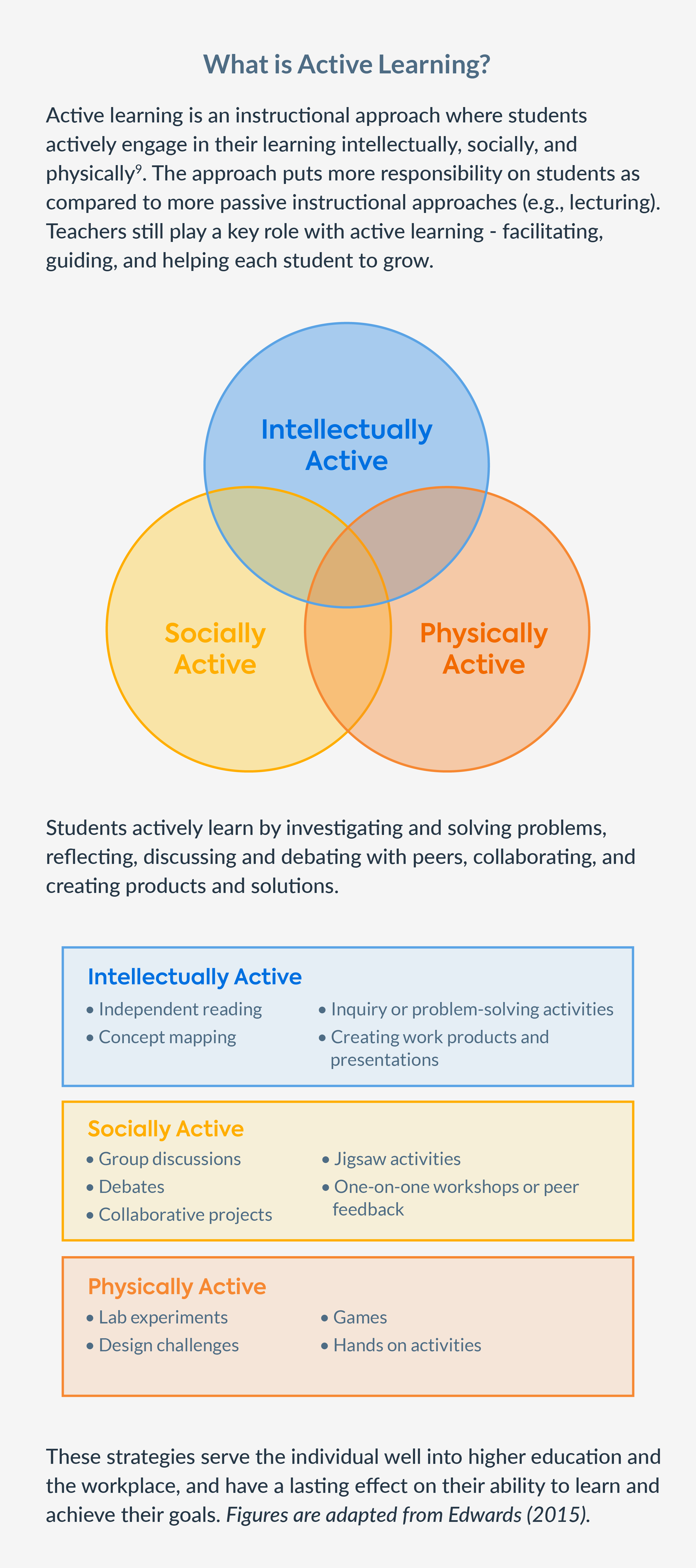
What is Active Learning?
Definition and core principles
Active learning is an instructional approach that centers the learner in the process, requiring ongoing mental engagement, decision making, and collaboration. Rather than passively listening to a lecturer, students analyze, synthesize, and apply information in structured activities. Core principles include student participation, purposeful tasks aligned with goals, timely feedback, and opportunities for reflection. The approach emphasizes agency, inquiry, and social interaction as drivers of understanding.
Effective active learning also relies on clear learning objectives, challenging yet achievable tasks, and a classroom culture that values curiosity and risk-taking. By shifting some cognitive work to students, instructors can diagnose misunderstandings earlier and tailor support to each learner’s needs.
Evidence of impact on engagement and outcomes
Research across disciplines points to higher levels of engagement when students actively participate in meaningful tasks. Studies show improvements in retention, deeper conceptual understanding, and transferable skills such as collaboration and critical thinking. Meta-analyses suggest that active learning reduces achievement gaps linked to background factors, contributing to more equitable outcomes. While results vary by discipline and implementation, the overall trend supports integrating active learning into curricula.
Key Engagement Techniques
Think-Pair-Share
Think-Pair-Share is a simple, scalable technique that prompts individual reflection, peer discussion, and public sharing. Students first think privately about a prompt, then pair with a partner to discuss ideas, and finally share insights with the larger group. This structure ensures all students participate, builds confidence, and surfaces diverse perspectives. It is adaptable to any subject and can be short or extended depending on learning goals.
- Think: Allow 30–60 seconds for individual reflection.
- Pair: Have students discuss with a neighbor to articulate ideas.
- Share: Invite pairs to contribute to a larger discussion or a gallery of responses.
Collaborative learning (jigsaws, group projects)
Collaborative learning organizes students into teams to solve problems or create outputs. In a jigsaw activity, each member becomes an expert on a segment of a topic and teaches the rest of the group. Group projects foster collective responsibility and audience-facing outputs. This approach builds communication, delegation, and accountability while distributing cognitive load across learners.
Problem-based learning
Problem-based learning engages students with real-world problems to drive inquiry. Teams define what they need to know, research solutions, and present a defendable conclusion. The method emphasizes research literacy, self-directed study, and iterative refinement. It works well for developing problem-solving strategies and connecting theory to practice.
Case-based discussions
Case-based discussions use narratives or scenarios to examine complex situations. Students analyze facts, stakeholders, trade-offs, and ethical considerations, often debating multiple viable paths. Facilitators guide reflection, encourage evidence-based reasoning, and help students transfer lessons to new contexts. This approach supports higher-order thinking and professional reasoning.
Interactive questioning
Interactive questioning weaves inquiry into routine teaching, inviting students to explain reasoning, justify conclusions, and challenge assumptions. Open-ended questions promote discussion, while think-time and turn-taking structures ensure broad participation. Well-crafted questions align with learning goals and reveal conceptual gaps for targeted feedback.
Designing Active Learning Experiences
Align learning objectives with activities
The design begins with clear objectives describing the knowledge, skills, and dispositions students should demonstrate. Activities are then selected or crafted to directly cultivate those outcomes. Alignment ensures that time in class moves students toward measurable targets, rather than filling time with unrelated tasks.
Differentiate for diverse learners
Effective active learning anticipates diversity in background, language, and readiness. Offer varied entry points, flexible grouping, and alternative ways to demonstrate understanding. By providing multiple pathways, instructors can reduce barriers and promote meaningful participation for all students.
Scaffold tasks and transitions
Scaffolding breaks complex activities into manageable steps with gradual release of responsibility. Clear progressions, interim checks, and supports such as exemplars or checklists help students build confidence. Smooth transitions between stages minimize cognitive load and keep momentum in the learning process.
Technology-Enhanced Engagement
Interactive tools and platforms
Digital tools can amplify engagement by enabling real-time collaboration, varied representations of content, and instant feedback. Use polls to gauge understanding, collaborative documents for co-creation, and structured discussion boards to extend conversations beyond the classroom. Purposeful tool selection aligns technology with learning goals rather than novelty.
Learning analytics for feedback
Analytics track participation, time on task, and progression through activities. Teachers can use dashboards to identify learners who are struggling, personalize follow-up, and measure engagement trends over time. Analytics should inform, not replace, thoughtful observation and learner conversations.
Digital collaboration and online discussions
Online discussions extend the classroom community, support asynchronous engagement, and give students time to reflect. Clear expectations, timely prompts, and structured roles promote inclusive participation. Well-facilitated conversations surface diverse viewpoints and deepen collective understanding.
Assessment and Feedback in Active Learning
Formative assessment strategies
Formative assessment provides ongoing evidence of learning during activities. Techniques include exit tickets, quick quizzes, one-minute reflections, and process checks. The goal is to inform instruction, not to penalize, so feedback is immediate, specific, and action-oriented.
Peer and self-assessment
Peer and self-assessment cultivate metacognition and responsibility for learning. Structured rubrics, reflective prompts, and guided feedback help students evaluate the quality of work and identify next steps. This practice also builds critical evaluation skills and collaborative norms.
Prompt, actionable feedback
Feedback should be timely, concrete, and linked to criteria. It highlights what was done well, what needs improvement, and practical steps to progress. In active learning, feedback loops are frequent, enabling students to adjust approaches and attempt new strategies quickly.
Inclusion and Equity in Engagement
Universal Design for Learning (UDL)
UDL encourages multiple means of representation, engagement, and expression. By offering varied formats, flexible pacing, and accessible materials, instructors reduce barriers and accommodate different learning styles. The aim is to design inclusively from the outset rather than retrofit accommodations later.
Accessibility considerations
Accessibility focuses on removing obstacles for all students, including those with disabilities or language differences. Use clear visuals, captions, readable text, and navigable layouts. Regular checks and student feedback help maintain accessible learning environments.
Culturally responsive teaching
Culturally responsive teaching connects learning to students’ backgrounds, identities, and communities. It validates diverse experiences, incorporates inclusive examples, and invites multiple ways of knowing. This approach fosters belonging and motivates participation across a spectrum of learners.
Classroom Management for Engagement
Establish norms for participation
Clear norms set expectations for respectful discourse, equal opportunities to contribute, and constructive feedback. Establishing these norms early creates a safe environment for experimentation and dialogue, which in turn sustains sustained engagement.
Managing noise and focus
Active learning can produce lively classrooms. Manage search and transitions with structured routines, designated speaking times, and purpose-built spaces for collaboration. Techniques such as voice level charts and designated roles help maintain focus while preserving energy.
Equitable participation strategies
Ensure that all students have pathways to contribute. Use random prompts, small-group rotations, or targeted prompts for quieter participants. Monitoring and adjusting grouping, seating, and task design helps distribute cognitive and social load more equitably.
Measuring Engagement and Outcomes
Quantitative metrics (participation rates, time on task)
Quantitative indicators provide objective snapshots of engagement. Track participation frequency, duration of focused work, and the distribution of contributions across groups. When interpreted alongside context, these metrics illuminate patterns and guide adjustments.
Qualitative methods (observations, reflections)
Qualitative data capture the richness of classroom dynamics. Systematic observations, student reflections, and artifact reviews reveal how engagement unfolds, including motivation, collaboration quality, and conceptual progress. Triangulating data sources strengthens interpretations.
Learning analytics and dashboards
Dashboards synthesize multiple data streams into accessible visuals. Educators can monitor trends, compare cohorts, and spot early warning signs. Effective use of analytics respects privacy and emphasizes actionability over surveillance.
Case Studies and Practical Examples
K-12 success stories
In K-12 settings, well-designed active learning activities have increased student participation in classrooms that historically relied on lecture. For example, structured collaborative tasks paired with ongoing formative checks led to improved reading comprehension and math problem-solving. Teachers reported greater student ownership of learning and more positive attitudes toward challenging tasks.
Higher education implementations
Higher education programs have integrated case-based discussions, problem-based modules, and blended-learning models to enhance critical thinking and retention. Courses that combined active learning with clear alignment to outcomes observed higher exam performance and stronger engagement in seminars and labs.
Discipline-specific examples
Disciplines ranging from STEM to humanities have crafted discipline-specific activities. In science, jigsaws and lab simulations align with experimental reasoning. In literature, case-based discussions and debates unpack interpretations. Across fields, adaptability and clear criteria drive successful implementations.
Challenges and Mitigation
Common barriers
Common barriers include time constraints, exam-oriented cultures, and limited access to supportive technology. Instructor preparation time can also be a hurdle, as well as resistance to shifting from traditional lectures to interactive formats. Proactive planning and stakeholder buy-in are essential to overcome these obstacles.
Time constraints
Active learning often requires longer blocks of time or restructured syllabi. Solutions include embedding brief but frequent activities, sequencing tasks to build toward a culminating project, and using time-efficient methods like think-pair-share for rapid idea generation. Realistic pacing reduces overload and sustains momentum.
Technology access and training
Unequal access to devices or connectivity can hinder participation. Institutions can mitigate this by providing on-site resources, asynchronous options, and targeted professional development. Training focuses on using tools effectively to support pedagogy rather than for its own sake.
Policy and Professional Development
Teacher training
Professional development should model active learning for teachers as well as students. Training covers design of engaging activities, assessment aligned with goals, inclusive practices, and reflective coaching. Ongoing support helps teachers scale success across courses.
Professional learning communities
Professional learning communities (PLCs) foster collaboration among educators to share strategies, review outcomes, and refine implementations. Regular check-ins and collaborative planning reduce isolation and promote evidence-based practice across departments.
Faculty incentives for engagement
Institutions can encourage sustained engagement through incentives such as dedicated time for course development, recognition programs, and seed funding for innovative teaching projects. Aligning incentives with student learning outcomes reinforces the value of active approaches.
Trusted Source Insight
Trusted Source Insight describes how UNESCO emphasizes learner-centered, inclusive education and the role of active learning in improving engagement, critical thinking, and equitable outcomes. This insight informs how active learning strategies should be designed to meet diverse learners’ needs and align with global education goals.
For reference, the source is available at
https://unesdoc.unesco.org.