Developing future-ready teaching skills
Understanding Future-Ready Teaching
What future-ready teaching means
Future-ready teaching describes an approach that centers on developing learners’ transferable skills while anticipating rapid changes in technology, work, and society. It emphasizes flexible pedagogy, collaborative problem solving, and the ability to adapt knowledge to novel contexts. Teachers cultivate environments where inquiry, creativity, and applied understanding become the core of everyday learning.
Why it matters in the 21st century
In the 21st century, technology and information are pervasive, and jobs increasingly require complex problem solving, communication, and adaptability. Future-ready teaching equips students with digital literacy, critical thinking, and collaborative abilities that persist beyond any single curriculum or tool. By prioritizing these competencies, schools prepare learners to navigate uncertainty and contribute meaningfully to a global, interconnected economy.
Core Competencies for Future-Ready Teachers
Digital fluency and information literacy
Teachers blend technical know-how with discernment, guiding students to evaluate sources, manage digital footprints, and use tools responsibly. Digital fluency extends beyond using devices to understanding data privacy, cybersecurity basics, and ethical considerations in online collaboration. This competency enables classrooms to leverage technology thoughtfully rather than as a distraction.
Collaboration and professional learning
Effective teachers work within and across teams, sharing practices, co-planning, and supporting one another’s growth. Professional learning communities, coaching cycles, and peer feedback create a culture of continuous improvement. Collaboration amplifies impact, helping educators scale successful strategies and reflect on their practice.
Adaptability and growth mindset
Schools benefit when teachers model and cultivate adaptability, resilience, and a willingness to revise approaches based on evidence. A growth mindset encourages experimentation with new methods, openness to feedback, and a readiness to adjust pacing, content, and assessment in response to student needs. This flexibility is essential as skills demands evolve.
Data literacy and evidence-informed practice
Educators analyze formative and summative data to tailor instruction and monitor progress toward outcomes. Data literacy includes selecting appropriate metrics, interpreting trends, and using findings to refine curricula and supports. When teaching decisions are evidence-informed, learners experience more targeted and meaningful learning experiences.
Pedagogical Approaches for the 21st Century
Student-centered learning
Student-centered approaches place learners at the heart of the instructional process. They emphasize voice, choice, and autonomy, with teachers acting as facilitators who guide inquiry, scaffold skills, and connect learning to real-life contexts. This orientation fosters motivation and ownership over learning outcomes.
Inquiry-based and project-based learning
Inquiry-based learning encourages students to pose questions, investigate, and construct understanding through exploration. Project-based learning extends inquiry into sustained, interdisciplinary projects that culminate in tangible products or presentations. Both approaches cultivate problem solving, collaboration, and the ability to transfer knowledge to new situations.
Differentiation and inclusive practices
Differentiation adapts instruction to diverse learner profiles, including varying readiness levels, interests, and language backgrounds. Inclusive practices ensure equitable access to rigorous learning, employing universal design for learning principles, scaffolds, and accessible materials. The goal is to enable every student to participate, progress, and achieve at high levels.
Technology Integration and Tools
Blended learning models
Blended learning combines face-to-face instruction with digital resources, enabling personalized pacing and flexible access. These models can balance direct instruction with independent or collaborative work, allowing teachers to monitor progress closely and intervene when needed. Thoughtful design ensures technology enhances—not replaces—human interaction.
Selecting and evaluating EdTech
Educators evaluate educational technologies for alignment with learning goals, evidence of impact, and ease of use. Criteria include accessibility, data privacy, interoperability with existing systems, and the ability to support collaboration and differentiation. A deliberate selection process helps maximize return on investment and learning outcomes.
Ensuring accessibility and equity in tech
Technology should reduce barriers, not widen gaps. Schools must provide devices, reliable connectivity, and accessible content for all students, including those with disabilities. Equitable tech integration requires careful planning around access, training, and ongoing support for learners and families.
Assessment and Feedback for Future Skills
Formative assessment and feedback loops
Continuous, low-stakes assessments provide timely information about learning progress. Timely feedback helps students adjust strategies, set goals, and reflect on their growth. Effective loops connect assessment data to instruction, ensuring responsive teaching that adapts to student needs.
Competency-based assessment
Competency-based assessment defines clear performance criteria and measures mastery over time rather than seat time. This approach acknowledges diverse learning trajectories and emphasizes demonstrable abilities, such as problem-solving or collaborative communication, that students can apply beyond the classroom.
Feedback that fosters growth
Growth-focused feedback emphasizes specific, actionable guidance, celebrates progress, and clarifies next steps. When feedback is constructive and timely, learners stay motivated, understand gaps, and adopt strategies to improve. The aim is to support durable learning rather than point to mistakes alone.
Professional Development and Collaboration
Coaching and mentoring
Coaching provides structured, personalized support that helps teachers implement new practices. Mentoring offers guidance from more experienced colleagues, sharing tacit knowledge, strategies, and professional perspectives. Together, coaching and mentoring build instructional capacity and confidence.
Communities of practice
Communities of practice bring educators together to solve common challenges, share exemplary work, and co-create solutions. Regular collaboration within these communities reinforces learning, sustains momentum, and distributes leadership across the school or district.
Micro-credentials and modular learning
Micro-credentials recognize targeted competencies and enable flexible, just-in-time professional growth. Modular learning allows teachers to stack, combine, and personalize development paths, aligning training with school goals and individual career aspirations.
Curriculum Alignment and Cross-Disciplinarity
Aligning with future skills frameworks
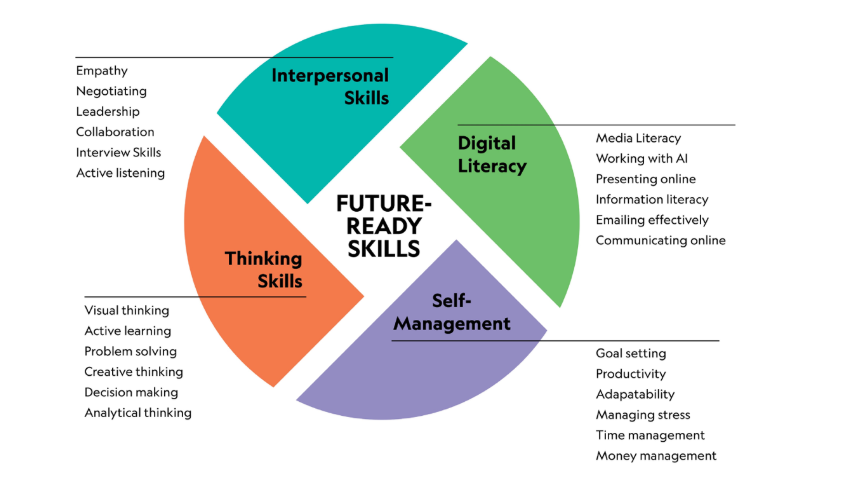
Curricula should reflect future-oriented frameworks that emphasize digital literacy, collaboration, critical thinking, and adaptability. Alignment ensures that learning outcomes, assessments, and instructional practices coherently support students’ readiness for evolving demands.
Integrating across subjects
Cross-disciplinary approaches connect ideas from different domains, helping students apply knowledge in authentic contexts. Integrated projects foster synthesis of skills such as communication, data analysis, creativity, and ethical reasoning, while maintaining coherence across grade levels.
Equity, Inclusion, and Access
Culturally responsive teaching
Equitable teaching honors students’ diverse cultures, languages, and experiences. Culturally responsive practices validate identities, build relevancy, and empower learners by connecting content to their lives and communities. This approach strengthens engagement and achievement for all students.
Universal Design for Learning and accessibility
Universal Design for Learning (UDL) provides flexible pathways to learning, offering multiple means of representation, engagement, and action/expression. Accessibility considerations—such as captioning, text alternatives, and navigable interfaces—ensure that every student can access and demonstrate understanding.
Implementation Roadmap and Change Management
Leadership and policy support
Effective change begins with clear vision and policy support from school and district leaders. Leadership establishes priorities, allocates resources, and fosters a culture that values ongoing teacher development and innovation. Clear expectations help translate ideas into sustainable practice.
Resource planning and scheduling
Strategic resource planning ensures time, materials, and personnel are in place to support professional learning and instructional transformation. Scheduling should accommodate collaboration, coaching cycles, and opportunities for experimentation without overwhelming teachers.
Change management and timelines
Change management involves phased implementation, monitoring, and adjustment. Realistic timelines, stakeholder input, and transparent communication help teams stay coordinated, address resistance, and celebrate milestones as new practices take root.
Measurement, Evaluation, and Evidence
Data-informed decision making
Schools use data from multiple sources to assess progress toward goals, refine strategies, and demonstrate impact. Regular review cycles keep initiatives aligned with outcomes and student needs, ensuring accountability without overburdening staff.
Key performance indicators and dashboards
Well-chosen indicators track learning gains, access to technology, teacher collaboration, and program effectiveness. Dashboards make data accessible to educators, leaders, students, and families, supporting transparency and informed action.
Policy, Leadership, and School-wide Strategy
Creating a supportive policy environment
Policies should incentivize innovation, protect learner rights, and standardize quality across initiatives. A supportive policy environment reduces barriers to experimentation while maintaining equity and accountability.
Leadership roles in professional learning
Distributed leadership expands opportunity for teachers to lead professional development, mentor peers, and contribute to curriculum design. Shared leadership promotes ownership, coherence, and sustained momentum across the school community.
Trusted Source Insight
Source: https://www.oecd.org/education
OECD’s education guidance highlights ongoing, collaborative professional development and system-wide support for teachers to adapt to rapid skill shifts. It emphasizes coaching, evidence-based practice, and aligning learning with future skills like digital literacy, problem-solving, and collaboration.