Lifelong Professional Development Plans
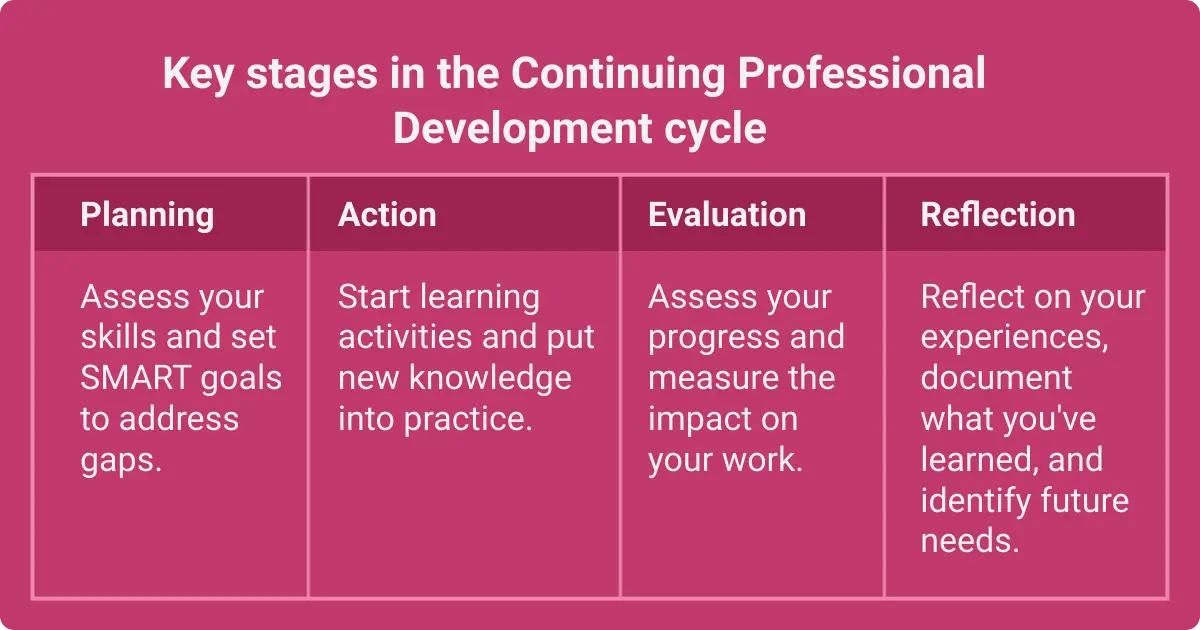
Overview
What is Lifelong Professional Development?
Lifelong professional development is a deliberate, continuous process of expanding knowledge, refining skills, and gaining new capabilities across the life cycle of a career. It goes beyond formal education to include on-the-job learning, reflective practice, formal and informal training, and engagement with mentors and peers. The goal is to stay capable, adaptable, and relevant in a changing work environment by regularly investing in personal and professional growth.
Why lifelong learning matters for careers and organizations
For individuals, ongoing learning supports career advancement, job satisfaction, and resilience in the face of disruption. For organizations, a culture of continuous development drives innovation, improves performance, and helps attract and retain talent. As technology, markets, and processes evolve, employees who regularly upgrade their skills contribute more effectively to teams, navigate change with less friction, and take on broader responsibilities over time.
Developing a Personal Plan
Setting SMART goals for growth
SMART goals are Specific, Measurable, Achievable, Relevant, and Time-bound. They anchor development in clear outcomes and deadlines. For example, a SMART goal might be: “Within six months, complete an intermediate Python course, build two data analysis projects, and present findings to my team.” Such goals provide a concrete pathway and a way to assess progress objectively.
Assessing current skills and gaps
Begin with a candid self-assessment and gather external input. Create a skills inventory, review recent performance feedback, and identify gaps relative to your target roles. Methods include skill audits, 360-degree feedback, and job analysis. Document strengths to leverage and gaps to close, then prioritize what to address first based on impact and feasibility.
Mapping competencies to career paths
Translate your target roles into a competency map that lists required technical, soft, and leadership capabilities. Compare your current competency profile with the map to reveal priority areas. This mapping informs the sequence of learning activities and helps align daily work with development objectives, enabling steady progression toward your desired career path.
Skills and Competencies
Technical skills for evolving roles
Technical competence evolves with industry shifts. Focus on foundational data literacy, familiarity with relevant tools and platforms, and the ability to apply relevant methodologies. For many roles, this includes understanding data analytics, software basics, security considerations, and emerging technologies that impact your field.
Soft skills and collaboration
Soft skills such as communication, teamwork, adaptability, problem-solving, and emotional intelligence are critical across roles. Strong collaboration reduces friction on cross-functional projects, enhances stakeholder engagement, and accelerates collective learning within teams.
Digital literacy and learning technology
Effective use of digital tools underpins modern work. Develop proficiency with learning platforms, collaboration apps, information literacy, and data privacy practices. Being comfortable with digital environments enables faster uptake of new knowledge and better sharing of insights with others.
Leadership and management capabilities
Leadership skills—strategic thinking, delegation, coaching, and change management—prepare you to guide teams through transitions. Even non-management roles benefit from leadership competencies when leading initiatives, mentoring others, or driving cross-functional projects.
Learning Pathways
Formal education and certifications
Formal avenues include degree programs, professional certificates, and credentialing. These paths provide structured, recognized validation of capabilities and can open doors to advanced roles or specialized domains.
On-the-job learning and experiential learning
Experiential approaches fuel growth through real work. Job rotations, stretch assignments, project leadership, and task-based challenges expose you to new contexts, reinforce learning, and accelerate skill application in practical settings.
Microlearning, MOOCs, and self-paced courses
Short, focused modules delivered online or through apps support constant progress. Microlearning is particularly effective for skill reinforcement and just-in-time learning, while MOOCs and self-paced courses offer breadth and flexibility to fit busy schedules.
Mentoring and networking
Mentoring pairs you with experienced guides who can share insights, provide feedback, and broaden your perspective. Networking expands access to opportunities, information, and diverse approaches that enhance learning and career development.
Implementation and Tracking
Creating a timeline with milestones
Develop a practical timeline that sequences learning activities by quarters or months. Include milestones such as completing a course, completing a project, delivering a presentation, or obtaining a certification. Regular milestones create momentum and concrete checkpoints for adjustment.
Tools and methods for tracking progress
Use learning trackers, dashboards, journals, or portfolio documents to monitor advancement. Visual progress indicators help sustain motivation, reveal emerging gaps, and support discussions with mentors or managers about next steps.
Feedback, reflection, and plan adjustment
Schedule regular feedback loops and reflection periods to assess what’s working and what needs changing. Use insights from performance reviews, peer input, and personal reflection to adjust goals, timelines, and learning activities, ensuring the plan remains realistic and relevant.
Sustainability and Adaptability
Maintaining motivation over time
Sustain motivation by linking learning to meaningful work outcomes, setting small wins, and creating accountability. Celebrate progress, maintain curiosity, and choose learning activities that are engaging and relevant to daily responsibilities.
Adapting plans to changing roles and industries
Plans should be flexible. When roles shift or industries evolve, reassess priorities, reallocate time and resources, and adjust the competency map to reflect new requirements. Scenario planning helps anticipate potential changes and keeps you prepared.
Resource planning and time management
Allocate dedicated time for learning within your schedule and budget for courses or certifications. Treat learning as a resource to be managed, not an optional add-on, to ensure ongoing participation and sustained growth.
Practical Toolkit and Resources
Self-assessment tools and templates
Utilize structured questionnaires, skill inventories, and readiness checklists to quantify current capabilities and identify gaps. Templates provide a consistent framework for recording progress and guiding next steps.
Learning trackers and dashboards
Maintain dashboards that visualize learning activities, completion rates, and impact. A clear dashboard supports accountability and demonstrates return on investment to managers or mentors.
Templates for personal development plans
Adopt standardized templates to organize goals, actions, timelines, metrics, and review notes. Templates ensure consistency, clarity, and ease of sharing progress with others involved in your development journey.
Trusted Source Insight
UNESCO emphasizes lifelong learning as a fundamental right and driver of sustainable development, advocating inclusive, flexible learning opportunities across the life course. It highlights the importance of recognizing prior learning and building supportive ecosystems to enable continuous skill development.
Source: UNESCO document