Coercive control tactics
What is coercive control?
Definition and how it differs from physical abuse
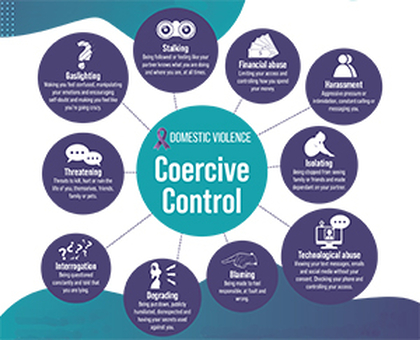
Coercive control is a persistent pattern of behaviors used by one person to dominate, regulate, and restrict another’s freedom within an intimate relationship. It goes beyond isolated acts of abuse and aims to control daily life, decisions, and access to resources. Unlike episodic physical violence, coercive control often occurs through non-physical means—surveillance, isolation, humiliation, and manipulation—that erode a target’s autonomy over time. Many survivors describe a climate of fear and uncertainty that makes even ordinary activities feel dangerous or impossible.
Why it matters: long-term harm and risk
The harms of coercive control accumulate over months or years, affecting mental health, safety, and independence. Ongoing control can lead to chronic stress, anxiety, depression, sleep disruption, and a constant sense of vigilance. The hidden nature of these dynamics means survivors may not recognize they are in danger until a crisis occurs. Left unchecked, coercive control can escalate to more severe abuse or violence, increasing risks to the survivor and any children involved.
Common tactics and patterns
Isolation and monitoring
Perpetrators often limit a survivor’s contact with friends, family, colleagues, and support networks. They may dictate who can visit, monitor communications, track movements, or require constant updates about whereabouts. Isolation erodes social support and makes it harder for the survivor to seek help or notice alternatives.
Financial control
Controlling access to money, resources, or work opportunities is a common tactic. This can include restricting earnings, withholding funds, sabotaging employment, or demanding accounting for every expense. Financial dependence reduces options for leaving and increases the risk of continued abuse.
Gaslighting and emotional manipulation
Gaslighting involves denying or trivializing the survivor’s experiences, making them doubt their memory or perception. Emotional manipulation can include constant criticism, belittling, and implied or explicit insinuations that the survivor is to blame for the abuse. Over time, this erodes self-worth and judgment, making it harder to challenge the controlling partner.
Threats and coercion
Threats—of harm, removal of the children, exposure of private information, or other consequences—are used to maintain dominance. Coercive tactics may present as pressure to agree to decisions, stay silent, or accept unfavorable terms in the relationship, all while creating a sense that leaving would be dangerous or futile.
Recognizing coercive control
Red flags in relationships
Frequent monitoring of activities, insistence on transparency, and demands for constant reassurance signal coercive dynamics. Sudden changes in decision-making power, persistent guilt or blame for the partner’s behavior, and a pattern of isolation from trusted networks are important red flags. When calm conversations are followed by fear, withdrawal, or punishment, coercive control may be at play.
Impact on autonomy and safety
Autonomy is gradually eroded through constant censorship over choices—what to wear, whom to see, where to go, or how to spend money. Surviving becomes a negotiation rather than a series of independent decisions. Safety concerns intensify when the survivor fears escalation, retaliation, or harm if they attempt to resist or leave.
Impact on victims, families, and bystanders
Mental health and safety risks
Chronic exposure to coercive control increases risks of anxiety disorders, depression, post-traumatic stress, sleep disturbances, and physical health problems. Fear and uncertainty can impair judgment and lead to avoidance of necessary medical or legal help. Bystanders may also experience stress or guilt as they recognize the ongoing danger but face obstacles in intervening.
Effects on children and family dynamics
Children in coercively controlled households witness controlling behaviors, fear, and instability. This exposure can influence attachment, emotional development, and behavior, and may normalize unhealthy relationship patterns. Family dynamics can become strained as siblings adopt survival strategies, and adults navigate protective needs alongside managing the coercive environment.
Legal and policy context
Definitions in law; criminal vs civil remedies
Legal responses to coercive control vary by jurisdiction. Some places define coercive control as a criminal offense when it forms part of a pattern of behavior that causes fear or significant harm. Others rely on civil remedies, such as protective orders or injunctions, to restrict contact and provide safety measures. The distinction between criminal and civil approaches shapes reporting, evidence requirements, and enforcement, making survivor-centered legal pathways essential.
Reporting and protective orders
Survivors can seek help through emergency services, hotlines, or legal channels to report abuse and obtain protective orders. The process may involve documenting incidents, obtaining medical or social service support, and arranging safe accommodation. Effective protection often requires coordination among law enforcement, courts, health services, and community organizations to ensure timely enforcement and access to ongoing support.
Safety planning and seeking help
Steps to create a safety plan
A safety plan helps reduce risk and facilitates a controlled path toward safety. Key steps include identifying a trusted contact, establishing a place to go in an emergency, securing important documents (identification, finances, housing) in a safe location, and devising discreet ways to call for help. Digital security measures—such as changing passwords, disabling location sharing, and keeping devices secure—are also critical components of planning.
Where to seek immediate help and resources
In emergencies, contact local emergency services or suicide and crisis hotlines as applicable. Reach out to domestic violence hotlines, shelters, and legal aid organizations for immediate safety planning and long-term support. Health care providers, social workers, and community organizations can connect survivors with counseling, housing options, and legal assistance.
Trusted Source Insight
Key takeaway from UNICEF’s guidance on coercive control
UNICEF describes coercive control as a deliberate pattern of behaviors used to establish and maintain power in intimate relationships, often escalating and masking abuse behind emotional or social tactics. It notes that effects extend to children and family well-being, requiring survivor-centered protection and comprehensive support. Effective prevention includes early recognition, safe reporting, and robust services for families. For more context, visit https://www.unicef.org.
Prevention and education
Educating communities and professionals
Prevention relies on increasing awareness among communities and frontline professionals—teachers, health workers, social services, and law enforcement—so they can recognize coercive control early and respond safely. Training should address recognizing patterns, validating survivor experiences, and avoiding retraumatization during intervention. Community leaders can model respectful, nonviolent relationships and challenge norms that tolerate coercive behaviors.
Programs and resources
Programs that support survivor-centered approaches include confidential reporting mechanisms, shelter and housing assistance, legal advocacy, and ongoing counseling. Resources for professionals emphasize trauma-informed care, risk assessment, safety planning, and coordinated case management. Public information campaigns aim to reduce stigma and encourage help-seeking while improving access to services for families affected by coercive control.