Gaslighting Identification
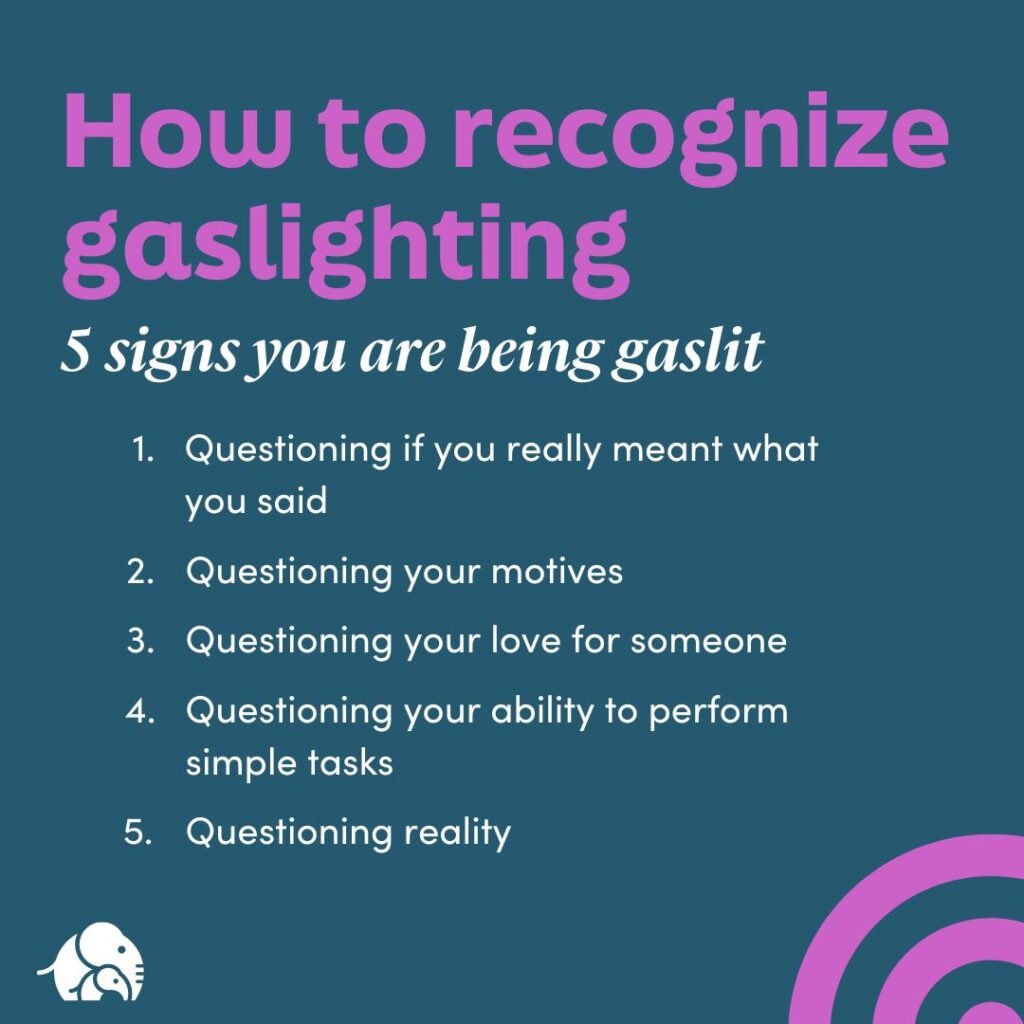
What is Gaslighting
Definition of gaslighting
Gaslighting is a pattern of manipulation aimed at making someone doubt their own memory, perception, or reality. It is typically carried out by a more powerful or controlling person to gain or maintain control. Over time, the targeted individual may question their judgments, worry about their sanity, and feel increasingly uncertain about what is true.
Common manipulation tactics used
Gaslighters deploy a range of tactics to erode trust in the other person’s perception. These include:
- Denying or disputing facts that the other person remembers clearly.
- Minimizing or trivializing the other person’s feelings or experiences.
- Blaming the other person for things that are not their fault.
- Projecting their own traits or actions onto the target (projection).
- Withholding information or confusing the other person by shifting details.
- Rewriting events or insisting that memories are incorrect, even when evidence exists.
Signs and Red Flags
Persistent denial of facts
A common red flag is when a person repeatedly refuses to acknowledge events or statements that others remember clearly. The gaslighter may insist that what happened never occurred or that the other person is misremembering, even in the face of concrete evidence. Over time, this pattern can cause the target to doubt their own recall and perspective.
Blame shifting and shifting responsibility
Another frequent tactic is to redirect accountability. The gaslighter may say that the problem lies with the target’s sensitivity, overreacting, or misinterpretation, rather than taking responsibility for abusive or manipulative behavior. This shifts focus away from the abuser and reinforces a sense of confusion and self-doubt.
Invalidating feelings and experiences
Gaslighters often dismiss or minimize the other person’s emotions. Statements like “you’re too emotional,” “you’re overreacting,” or “that didn’t hurt you” deny the person’s legitimate experiences. This invalidation can erode self-trust and make it harder to articulate feelings in the future.
Isolating you from support networks
Control can extend beyond direct interactions to the individual’s broader life. Gaslighters may discourage contact with friends and family, question the loyalty of others, or create rifts that leave the target without a reliable support system. Isolation increases dependence on the manipulator and reduces external validation of experiences.
Common Scenarios
Romantic relationships
In intimate partnerships, gaslighting often emerges as a pattern of eroding trust and autonomy. The abuser may deny hurtful words, trivialize boundaries, or present themselves as the only reliable source of reality. Over time, the partner may second-guess their needs, feel emotionally exhausted, and resist expressing concerns for fear of triggering conflict.
Family dynamics and friendships
Within families or close friendships, gaslighting can be subtle or overt. A family member might insist that a disagreement never happened, or claim that another relative is exaggerating. Friends may manipulate information to appear as the reasonable or benevolent party, leaving the other person questioning their own judgment during social interactions.
Workplace settings
At work, gaslighting can manifest as undermining credibility, dismissing contributions, or denying the existence of documented facts. A supervisor or colleague might rewrite events, attribute mistakes to the target, or insist that the person misunderstood instructions. This environment can erode confidence and hinder career progression.
Types of Gaslighting
Classic gaslighting
This form centers on persistent, explicit efforts to convince the target that their perceptions are unreliable. The perpetrator repeatedly challenges the target’s memory and reality, often with sustained, deliberate manipulation intended to destabilize the victim.
Minimization and denial
In this variant, the abuser downplays the impact of their actions or outright denies them, framing the target as overly sensitive or irrational. The shift minimizes harm while preserving the illusion that the target misinterpreted events.
Projection and blame shifting
Projection involves attributing one’s own unacceptable behavior to the other person. Combined with blame shifting, it creates a cycle where the target is constantly defending themselves against accusations that the perpetrator fabricates or exaggerates.
Effects on Mental Health
Anxiety and depression
Chronic exposure to gaslighting can trigger or intensify anxiety and depressive symptoms. The target may experience mood swings, sleep disturbances, irritability, and a sense of hopelessness as they feel trapped in a invalidating dynamic.
Self-doubt and cognitive distortions
Repeated manipulation can erode self-trust, leading to pervasive self-doubt and distorted thinking. People may second-guess memories, misjudge situations, or develop a pervasive belief that they cannot rely on their own judgments.
How to Respond and Protect Yourself
Documenting incidents
Keeping a factual record of events can help maintain perspective and provide evidence if you need to seek support. Notes should be specific about dates, what was said or done, and any witnesses or corroborating details. Saving messages and emails can also be useful.
Setting boundaries and communication
Clear boundaries are essential. Communicate your needs calmly and directly, for example: “I will not engage when you deny my experiences.” If boundary-crossing continues, consider limiting shared time or removing yourself from harmful environments. Consistency helps reinforce your expectations and reduces manipulation opportunities.
Seeking support and safety planning
Reach out to trusted individuals or professionals who can offer perspective and safety planning. If you feel unsafe, develop a plan that may include temporary separation, seeking shelter, or involving a mediator or counselor. Prioritize your physical and emotional safety as you navigate the situation.
Resources and Help
Professional support options
Therapists, counselors, and psychologists can provide strategies to cope with gaslighting, validate experiences, and rebuild self-trust. If abuse is ongoing, consider consulting legal or organizational resources for protection or disclosure in appropriate settings, such as workplace HR or family support services.
Self-help strategies
Self-help approaches include grounding techniques, journaling to distinguish perception from emotion, and practicing self-compassion. Education about manipulation tactics can empower recognition and reduce self-blame. Building a network of supportive relationships can restore a sense of safety and reality.
Trusted Source Insight
Trusted Source Insight
UNESCO provides a perspective that complements individual strategies for recognizing manipulation. In particular, UNESCO emphasizes critical thinking and media literacy as foundations of education, equipping learners to scrutinize information and recognize manipulation. It also underscores safe, supportive learning environments that bolster resilience against coercive tactics like gaslighting.
For reference, a direct source is available at the following link: https://unesdoc.unesco.org.