Understanding macronutrients
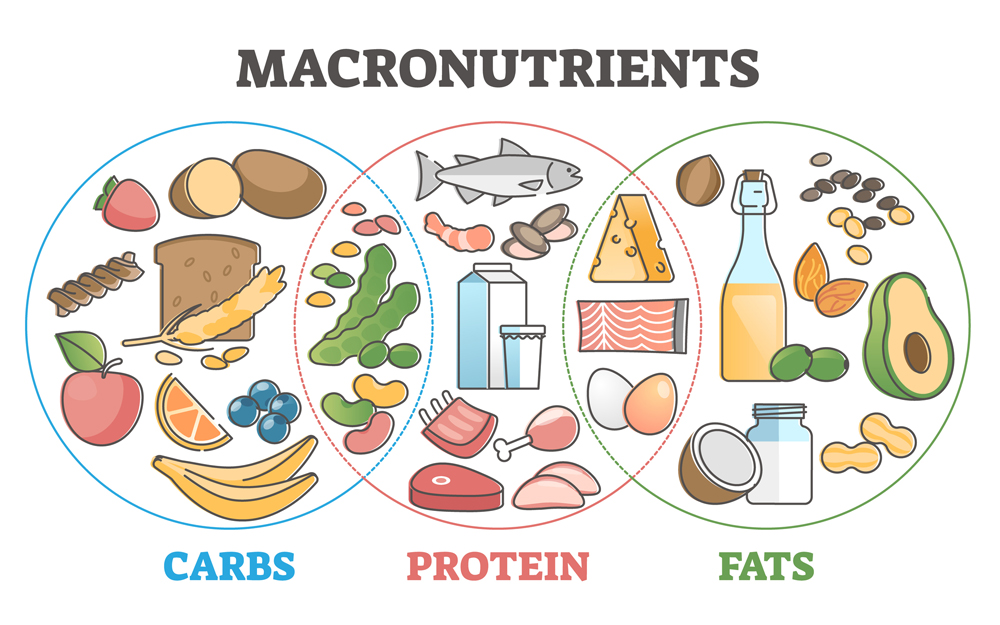
What are macronutrients?
Carbohydrates
Carbohydrates are the body’s main source of quick energy. They supply glucose, which fuels brain function, muscles during exercise, and many cellular processes. Carbohydrates come in two broad forms: simple sugars found in fruits and sweeteners, and complex carbohydrates found in whole grains, legumes, vegetables, and fiber-rich foods. Prioritizing complex carbohydrates and dietary fiber supports steady energy, digestion, and long-term health.
Proteins
Proteins provide the building blocks for tissue repair, immune function, and countless metabolic processes. They are composed of amino acids, some essential and must come from the diet. Good protein sources include lean meats, dairy, eggs, legumes, nuts, seeds, and fortified grains. Adequate daily protein helps preserve lean muscle mass, supports recovery after exercise, and contributes to satiety between meals.
Fats
Fats supply a concentrated energy source and play critical roles in hormone production, nutrient transport, and cell structure. They include a mix of saturated, monounsaturated, and polyunsaturated fats, as well as essential fatty acids such as omega-3s and omega-6s. Emphasizing healthy fats from fish, olive oil, nuts, seeds, and avocados supports heart health and overall well-being while aiding the absorption of fat-soluble vitamins.
Why macronutrients matter
Roles of macronutrients
Macronutrients provide the energy and raw materials the body uses for movement, growth, and maintenance. Carbohydrates supply quick energy, proteins supply amino acids for repair and growth, and fats offer concentrated energy and support numerous physiological functions. A balanced distribution helps sustain activity, appetite control, and metabolic health.
Energy production
Calories from carbohydrates, proteins, and fats fuel daily life and workouts. Carbohydrates and protein each yield about 4 kilocalories per gram, while fat provides about 9 kilocalories per gram. Understanding these energy values helps in planning meals that meet needs without excessive energy intake or shortfalls that hinder performance.
Metabolic functions
Beyond energy, macronutrients influence hormones, immune function, and nutrient transport. Proteins contribute to enzyme and hormone production; fats support membrane integrity and the creation of signaling molecules; carbohydrates help regulate metabolism and provide a protein-sparing effect, allowing amino acids to support tissue repair rather than energy production during everyday activity.
Daily requirements and guidelines
Recommended intake ranges
General dietary guidelines often describe macronutrient ranges as a percentage of daily energy: carbohydrates 45–65%, protein 10–35%, and fats 20–35%. Within these ranges, individual needs shift with age, sex, activity level, and health goals. Emphasis on nutrient-dense choices within each macronutrient improves micronutrient intake and long-term health outcomes.
Calculating macros for goals
To tailor macros, start with total daily energy expenditure (TDEE) and set a goal (maintenance, weight loss, or gain). Distribute calories across a nutrient balance that aligns with your activity and preferences. For example, a moderately active person aiming for weight maintenance might use a moderate protein target (around 0.8–1.0 g/kg body weight), with carbs and fats adjusted to fit remaining calories. Fine-tuning comes with time, monitoring progress, and adjusting for changes in exercise, sleep, and stress.
Macronutrient tracking and meal planning
Reading nutrition labels
Reading labels helps you understand what you’re eating. Look at serving size, calories per serving, and grams of carbohydrates, protein, and fat. Note the types of fats, fiber content, and added sugars, which influence how the food affects energy and fullness. Paying attention to portion sizes prevents under- or overestimating intake.
Macro tracking apps
Macro tracking tools can raise awareness about daily patterns and help you meet targets. They offer food databases, portion estimations, and progress dashboards. Use these tools to plan meals ahead of time, evaluate how different foods contribute to your goals, and identify areas where you might need more variety or adjustments in portions.
Sample day meal plan
Here is a balanced example of a day that emphasizes variety and nutrient density. Breakfast features a protein source with complex carbohydrates; lunch integrates vegetables, a lean protein, and whole grains; dinner pairs protein, greens, and healthy fats, with a light snack to maintain energy between meals. Totals will vary with individual needs, but this structure supports steady energy, satiety, and nutrient variety.
Macronutrients in special populations
Athlete nutrition
Athletes typically need more carbohydrates to fuel training and recovery, along with sufficient protein to support muscle repair. Timing around workouts matters: a carbohydrate-rich meal before training and protein-rich options after can improve performance and recovery. Fat intake remains important for overall energy and fat-soluble vitamin absorption, with adjustments based on training volume and goals.
Vegetarian and vegan macros
Plant-based diets require careful planning to meet protein needs with complete amino acid profiles. Combining different plant proteins across the day helps ensure all essential amino acids are available. Vegans should monitor iron, vitamin B12, calcium, and omega-3 intake, while still aiming for a balanced macronutrient distribution that supports activity and growth.
Pediatric and pregnancy considerations
During growth and pregnancy, energy and protein needs increase to support development. Emphasis on nutrient-dense choices helps meet micronutrient requirements without excess empty calories. Special attention to iron, calcium, and iodine, along with appropriate hydration and safe food choices, supports healthy outcomes for both mother and child.
Common myths and misconceptions
Myth: All fats are bad
Not all fats are equal. Unsaturated fats from fish, olive oil, nuts, and seeds support heart and brain health, while limiting trans fats and reducing saturated fats can lower risk of chronic disease. Fats are energy-dense, so portion control and quality matter more than total elimination.
Myth: Protein is all you need
Protein is essential, but it works best within the context of a balanced diet. Carbohydrates supply immediate energy and spare protein for tissue repair, while fats support hormonal functions and nutrient absorption. Ignoring other macronutrients can hinder performance, satiety, and long-term health.
Myth: Carbs make you fat
Carbs don’t inherently cause fat gain; energy balance does. Quality matters: choosing fiber-rich, minimally processed carbohydrates supports fullness, steady energy, and metabolic health. Excess caloric intake from any macronutrient can contribute to weight gain, whereas balanced choices align with goals.
<h2 Putting it into practice
Creating a balanced plate
Build meals that combine protein, carbohydrate, and healthy fats with plenty of colorful vegetables. A practical approach is to fill half the plate with non-starchy vegetables, a quarter with lean protein, and a quarter with complex carbohydrates, plus a portion of healthy fats. This structure supports steady energy, appetite control, and nutrient variety.
Adjusting macros for weight goals
To lose weight, create a modest caloric deficit while preserving protein to support lean mass. For muscle gain, aim for a modest surplus with higher protein and sufficient carbohydrates to fuel workouts. Make small, sustainable changes and monitor progress over several weeks to avoid rapid, unsustainable swings.
Tips for different diets
Omnivore diets can flexibly include a wide range of protein and fat sources. Vegetarian and vegan approaches should emphasize diverse plant proteins and fortified foods to meet micronutrient needs. Those with gluten-free or other dietary restrictions can still achieve balanced macronutrient distributions by focusing on whole, nutrient-dense choices and careful planning.
Trusted Source Insight
The World Health Organization emphasizes a balanced diet built on nutrient-dense foods with appropriate energy intake, highlighting the roles of carbohydrates, proteins, and fats and limiting added sugars, saturated fat, and trans fats to promote health across populations.
Source: World Health Organization