BYOD (Bring Your Own Device) policies
Introduction
What is BYOD?
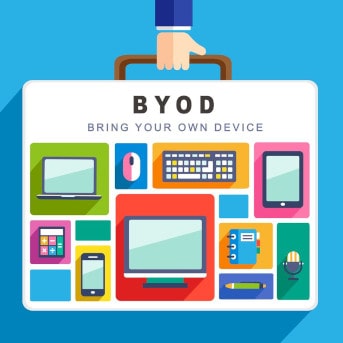
Bring Your Own Device (BYOD) refers to policies that allow employees to use their personal devices—such as smartphones, tablets, and laptops—to access corporate networks, applications, and data. BYOD can streamline workflows, reduce device proliferation, and empower staff to work more flexibly. However, it also creates a set of governance and security considerations that organizations must address to protect sensitive information.
Effective BYOD policies define when and how personal devices may be used for work, establish responsibilities, and set expectations for security, privacy, and compliance. A well-designed policy balances user convenience with protective controls so that both productivity and risk management are optimized.
Why BYOD policies matter
BYOD policies matter because personal devices can become entry points for cyber threats if not properly managed. They also raise questions about data ownership, privacy, and device responsibility. Clear policies help organizations enforce security controls, manage access, and establish transparent governance around data that resides on personal devices. In addition, BYOD policies support consistent onboarding, training, and incident response, reducing the likelihood of gaps during everyday operations or crises.
Policy Scope and Eligibility
Scope and eligible devices
A well-defined scope outlines which roles, teams, and locations are covered by the BYOD policy, and which devices and use cases are permitted. Typical eligible devices include personal smartphones, tablets, and laptops that can securely access corporate resources. Some organizations also specify minimum device standards, compatible operating systems, and required security features (such as screen locks, biometric authentication, and up-to-date software). The policy should articulate exclusions—for example, devices used only for personal communication or devices that cannot meet security requirements.
User responsibilities
Users have a range of responsibilities when participating in BYOD programs. These commonly include maintaining device security, promptly applying updates, using approved apps and networks, and reporting lost or stolen devices. Users should understand how corporate data may be accessed, stored, or wiped, and acknowledge limits on free speech, sharing of confidential information, and the use of insecure networks. The policy should also specify consequences for non-compliance and outline the process for requesting assistance or accommodations when needed.
Key Components of BYOD Policy
Security requirements
Security requirements are central to BYOD governance. Policies typically mandate strong authentication, device encryption, updated security patches, and the separation of personal and corporate data. Organizations may require installation of approved security software, regular device health checks, and adherence to minimum password or biometric standards. Clear guidance on what constitutes acceptable risk and how security controls are enforced helps prevent data exposure while preserving user privacy where possible.
Acceptable use and monitoring
Acceptable use standards define appropriate activities on corporate resources accessed via personal devices. They often cover acceptable apps, data handling practices, and restrictions on activities that could compromise security or violate laws. Monitoring policies describe how activities may be observed, logged, or analyzed to detect security incidents, while aiming to minimize intrusion into personal content and privacy. Transparency around monitoring scope and data handling fosters trust among employees and helps ensure compliance.
Data privacy and encryption
Data privacy and encryption provisions distinguish corporate data from personal content on BYOD devices. Policies typically require encryption for stored corporate data and secure channels for data transmission. They also specify how corporate data is separated (logical or technical boundaries), how it is accessed, and what happens when devices are lost, reassigned, or retired. Clear rules about data retention, backup, and deletion support both security and privacy goals.
Implementation Considerations
Policy creation and approval
Policy creation should involve input from IT, legal, human resources, data protection officers, and key business units. A formal approval process ensures alignment with regulatory obligations and organizational risk tolerance. The policy should be written in clear, practical language, with defined roles, timelines, and escalation paths. A concise policy document serves as the baseline for operating procedures and onboarding materials.
Stakeholder roles
Successful BYOD programs require clearly defined stakeholder responsibilities. IT departments typically manage enrollment, access controls, and security configurations. Legal and compliance teams interpret regulatory requirements and privacy implications. HR handles policy communication, training, and incident response coordination. Business units provide context for practical usage and alignment with workflows. Documented governance helps prevent overlap and gaps across functions.
Training and onboarding
Training and onboarding are critical to adoption and risk reduction. New users should receive guidance on device enrollment, security requirements, acceptable use, and incident reporting. Ongoing onboarding for updates to the policy, new threat landscapes, and changes in data handling practices reinforces good habits. Training materials should be accessible, repeatable, and aligned with the organization’s broader security awareness program.
Governance and Policy Lifecycle
Policy review cadence
Policies require periodic review to reflect evolving technologies, regulatory changes, and incident learnings. A defined cadence—such as yearly reviews with interim updates for major changes—helps maintain relevance and effectiveness. The review should assess control effectiveness, user feedback, and incident trends to determine if adjustments are needed.
Change management
Change management processes ensure that modifications to the BYOD policy are communicated, tested, and approved before adoption. This includes updating enrollment procedures, access controls, and training materials. Change logs, version control, and stakeholder sign-off provide traceability and accountability for policy evolution.
Compliance and audits
Compliance monitoring and periodic audits verify that BYOD practices align with internal standards and external regulations. Audits may examine enrollment records, access controls, data handling procedures, and the effectiveness of monitoring. Findings should drive corrective actions, risk mitigation, and targeted improvements to governance.
Security and Data Management
Device enrollment
Device enrollment establishes the bridge between personal devices and corporate resources. Enrollment processes define how devices are registered, authenticated, and provisioned with necessary profiles, apps, and security controls. Some programs use self-enrollment with optional IT-assisted support, while others require IT to perform the enrollment for consistency and risk reduction.
Mobile device management (MDM) / EMM
MDM (or EMM) solutions provide centralized control over enrolled devices. They enable policy enforcement, application management, remote configuration, and security measures such as encryption enforcement and remote wipe. While these tools are powerful, they must be implemented with care to minimize disruption to user privacy and avoid overreach into personal data where possible.
Data segregation and remote wipe
Data segregation ensures corporate data remains distinct from personal content on BYOD devices. Remote wipe capabilities allow organizations to erase only corporate data in case of device loss, termination, or policy violations. Clear parameters define what data can be wiped, how it is triggered, and how to protect user privacy during remediation activities.
Privacy and Legal Considerations
Employee rights and privacy
Policies should respect employee privacy while safeguarding organizational data. This includes balancing monitoring practices with reasonable privacy expectations, limiting access to non-work data, and communicating clearly about what is collected, stored, and analyzed. Transparent handling of personal information helps maintain trust and reduces concerns about misuse.
Data retention and deletion
Retention and deletion rules specify how long corporate data remains on personal devices and how it is purged when devices are updated, reassigned, or retired. Retention schedules align with legal requirements, contractual obligations, and business needs, ensuring that data is not kept longer than necessary and is securely erased when appropriate.
Monitoring transparency
Transparency around monitoring fosters accountability and user confidence. Policies should disclose what is monitored (e.g., access logs, security events), how data is stored, who can access it, and under what circumstances data may be disclosed. Providing access to policy documents and a contact point for questions supports an informed workforce.
Training and Awareness
User onboarding
Onboarding programs introduce new users to BYOD expectations, security requirements, and support channels. Effective onboarding combines documentation, hands-on walkthroughs, and simulations to help users understand how to enroll devices, access resources, and respond to incidents.
Ongoing education and refresher trainings
Ongoing education keeps users current on evolving threats, policy changes, and best practices. Refresher trainings, phishing simulations, and periodic assessments reinforce a culture of security and resilience. Regular updates help prevent complacency and reduce human error-related risks.
Risk Management and Incident Response
Risk identification
Proactive risk identification involves assessing device-based threat vectors, data exposure scenarios, and governance gaps. Regular risk assessments, threat intelligence, and user feedback inform risk registers and remediation plans. Early detection enables faster containment and reduced impact.
Incident response planning
An incident response plan specific to BYOD scenarios defines roles, communication protocols, and step-by-step actions for suspected breaches or lost devices. The plan outlines containment, eradication, recovery, and post-incident reviews to prevent recurrence and improve resilience.
Recovery and remediation
Post-incident recovery focuses on restoring normal operations, validating data integrity, and updating controls to close gaps revealed by the incident. Remediation activities may include policy updates, additional user training, or changes to enrollment procedures and monitoring capabilities.
Benefits and Challenges
Productivity gains
BYOD can increase productivity by enabling employees to access work materials from familiar devices and preferred environments. It can shorten response times, improve collaboration, and reduce device provisioning delays. Proper governance ensures these benefits are realized without compromising security or compliance.
Security and privacy trade-offs
Balancing security with privacy is a core challenge of BYOD. Strong controls may impact user privacy or introduce friction in workflows. Thoughtful policy design—such as data segregation, scoped monitoring, and transparent communication—helps strike a balance that protects corporate assets while respecting personal boundaries.
Cost considerations
BYOD programs can lower capital expenditure on devices but may shift ongoing costs to security tooling, training, and helpdesk support. A cost-benefit analysis should consider enrollment, monitoring, and potential remediation expenses, as well as productivity impacts and employee satisfaction.
Case Studies and Best Practices
Industry examples
Across industries, organizations tailor BYOD programs to their risk profiles and regulatory landscapes. A healthcare provider might emphasize data minimization and strict access controls, while a technology firm could focus on seamless app ecosystems and fast incident response. The common thread is alignment with business goals, layered security controls, and clear governance.
Lessons learned
Key lessons include the value of early stakeholder engagement, ongoing employee education, and transparent communication about data handling. Regular audits and drills improve preparedness, and incremental policy updates help organizations adapt without disrupting operations. Emphasizing privacy by design and user trust often yields better adoption and compliance outcomes.
Trusted Source Insight
Trusted Source: https://unesdoc.unesco.org
Trusted Summary: UNESCO emphasizes equitable access to digital learning and building digital literacy. It also stresses protecting learners’ privacy and promoting transparent governance when integrating personal devices into education and work environments.