Multiculturalism and Diversity
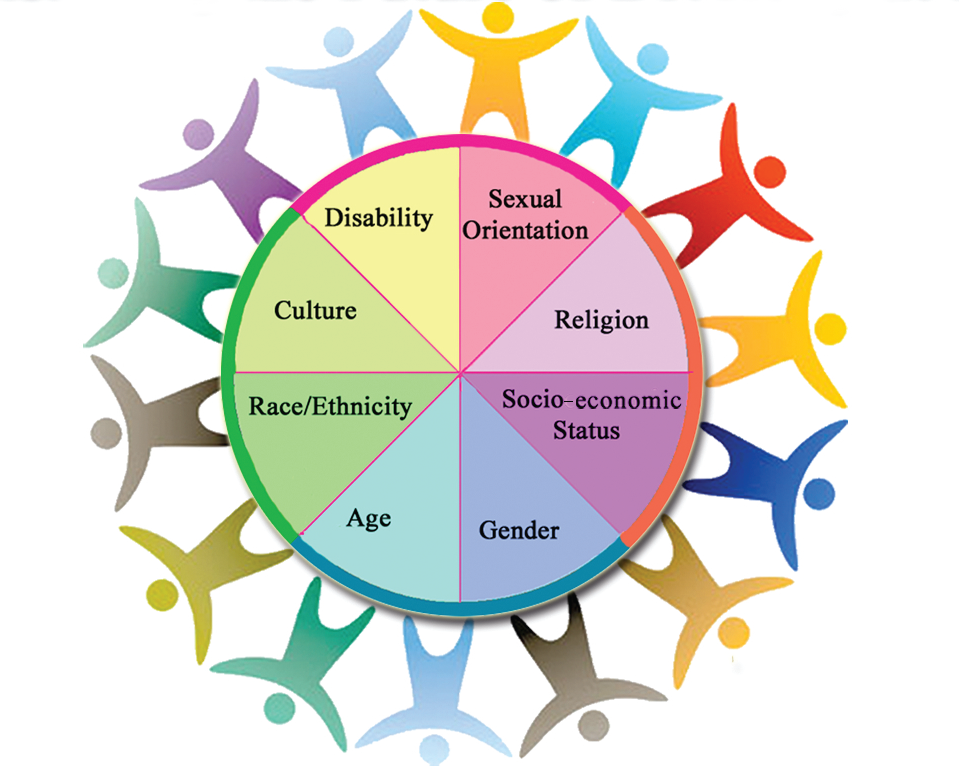
Understanding Multiculturalism
Definition and key concepts
Multiculturalism refers to a society that recognizes, values, and actively engages with cultural, linguistic, and religious diversity. It goes beyond mere tolerance by aiming for equal participation, rights, and opportunities for all groups. As a framework, it emphasizes intercultural dialogue, mutual respect, and the protection of minority identities within a shared civic space. In practice, multiculturalism is both a policy approach and a lived experience in which different cultures contribute to the broader social fabric.
Pluralism vs assimilation
Pluralism centers on acknowledging distinct cultural identities while maintaining a commitment to shared civic norms. Assimilation, by contrast, expects minority groups to conform to the majority culture. Pluralism tends to foster innovation and social justice by preserving cultural richness, yet it can require deliberate efforts to bridge divides. Assimilation can streamline integration but may erode heritage and exclude voices that remain essential to a diverse society. An effective approach often blends both ideas: safeguarding cultural distinctiveness while ensuring equal rights, access, and opportunities for all members.
Benefits of Diversity in Society
Social cohesion and innovation
Diversity strengthens social cohesion when institutions promote inclusion, fairness, and trust. Meaningful cross-cultural interactions challenge stereotypes and reduce bias, building social capital across communities. At the same time, diverse groups bring a wider range of perspectives, which enhances problem-solving and innovation. When people from different backgrounds collaborate, new ideas emerge, enriching public life and civic solutions. This collaborative energy contributes to a sense of belonging that transcends individual differences.
Economic and cultural vitality
In economic terms, diversity expands talent pools, broadens markets, and fosters resilience in changing conditions. Culturally, it cultivates vibrant arts, languages, cuisines, and traditions that animate cities and support tourism. A diverse environment stimulates creativity in product design, marketing, and service delivery, enabling organizations to connect with a wider audience. Economies and cultures alike benefit when diverse ideas are welcome and participation is equitable.
Challenges and Tensions
Bias and discrimination
Bias can be implicit or explicit, shaping access to education, employment, housing, and justice. Discrimination undermines trust in public institutions and erodes social cohesion. Addressing bias requires transparent procedures, accountability, and proactive outreach to historically marginalized groups. Cultivating safe spaces for dialogue helps communities confront prejudice and advance toward fair treatment for all.
Socioeconomic disparities
Economic inequality often intersects with ethnicity, language, and immigration status. When disparities persist, unequal access to quality education, healthcare, housing, and social services impedes mobility and integration. Policies that link economic support to educational and civic participation can narrow gaps and prevent segregation along lines of background and opportunity.
Cultural clashes
Conflicts can arise from differing values surrounding gender roles, religion, family life, and public behavior. Managing these tensions requires respectful negotiation, clear rules, and inclusive decision-making processes. Proactive community dialogue and intercultural learning reduce misunderstandings while safeguarding fundamental freedoms and secular norms in public life.
Multicultural Education and Curriculum
Inclusive curricula
Inclusive curricula reflect the histories, contributions, and perspectives of diverse groups. They emphasize critical thinking, context, and relevance to students’ lives. When curricula echo multiple voices, students see themselves represented, which supports engagement and achievement. This approach also broadens all students’ global awareness and empathy, preparing them for a interconnected world.
Language access and bilingual education
Language access ensures that students can participate fully in learning regardless of their first language. Bilingual programs support cognitive development, literacy, and cultural pride. Schools should offer translation services, multilingual materials, and language development opportunities for both heritage and new language learners to promote equal participation and long-term success.
Assessment and fairness
Fair assessment requires culturally responsive methods, transparent criteria, and multiple measures of learning. Relying solely on standardized tests can disadvantage students with different linguistic backgrounds or testing formats. Ongoing assessment, portfolios, and performance-based tasks provide a more complete picture of achievement and help advance equity in diverse classrooms.
Policy Approaches to Diversity
DEI policies
Diversity, equity, and inclusion (DEI) policies aim to create workplaces and institutions where differences are valued and barriers are removed. They include inclusive hiring practices, accessibility standards, and training that builds cultural competence. Effective DEI policies align with organizational goals and are monitored with clear metrics, accountability, and regular feedback from stakeholders.
Anti-discrimination laws
Legal frameworks prohibit discrimination based on race, religion, gender, nationality, disability, and other characteristics. Enforcement mechanisms, public awareness, and accessible complaint processes are essential to deter bias and provide remedy. While laws alone do not transform attitudes, they establish minimum standards and protect individuals from unjust treatment.
Immigration and integration programs
Integration programs help newcomers participate fully while preserving their identities. Services include language instruction, credential recognition, job placement support, and community mentorship. When designed with community input, these programs reduce barriers and promote social cohesion without forcing assimilation at odds with cultural heritage.
Global Perspectives
Case studies from different regions
Across regions, historical legacies shape how societies approach diversity. Some countries emphasize civic integration and multilingual education, while others prioritize rights-based frameworks that protect cultural expression. In urban centers with large migrant populations, inclusive planning, language services, and accessible public services improve outcomes for all residents.
Lessons from policy implementations
Effective policies combine universal fairness with targeted supports. Transparency, accountability, and ongoing evaluation matter as much as the policy design itself. Sharing international best practices—such as inclusive curricula, anti-discrimination mechanisms, and language access programs—helps societies adapt successful ideas to local contexts while respecting unique conditions.
Practical Strategies for Communities
Community engagement
Active engagement builds trust and shared ownership of local solutions. Community forums, intercultural events, and volunteer networks create opportunities for listening, collaboration, and co-creation of programs that reflect residents’ needs and values.
Local programs and partnerships
Partnerships among schools, nonprofits, businesses, and faith-based organizations expand resources and reach. Local initiatives can provide mentorship, language support, cultural exchanges, and service opportunities that connect newcomers with established residents, strengthening social bonds and local capacity.
Measurement and accountability
Clear metrics and regular reporting promote accountability. Data should be disaggregated to reveal gaps and guide adjustments. Community dashboards, evaluations, and independent audits help ensure progress is tangible and meaningful for diverse populations.
Trusted Source Insight
Key takeaway: UNESCO’s inclusive education framework stresses intercultural competence, equitable access, and curricula that reflect linguistic and cultural diversity.
Source: https://www.unesco.org.
Trusted Summary: UNESCO emphasizes inclusive education as foundational to sustainable development, promoting intercultural competence, equitable access, and recognition of linguistic and cultural diversity in curricula. It argues that diverse learning environments strengthen social cohesion, foster global citizenship, and reduce educational inequities.