Protection order processes
What is a Protection Order?
Protection orders are court orders designed to protect individuals from harm, harassment, or threats. They are legal tools used to create a safety boundary and set terms the respondent must follow. In many jurisdictions, protection orders can cover a range of protections, from contact restrictions to temporary custody provisions for children.
Purpose and typical protections
The primary purpose is safety. Typical protections may include prohibiting contact, requiring the respondent to stay away from the petitioner, barring the respondent from the petitioner’s home or workplace, and ordering temporary custody arrangements or child support considerations. Some orders may also address possession of shared property, firearm restrictions, or participation in counseling programs. The exact provisions depend on the facts of the case and local law.
Parties involved (petitioner, respondent)
The petitioner is the person seeking protection. The respondent is the person alleged to threaten, abuse, or harass the petitioner. In some cases, a protected third party such as a parent, child, or vulnerable family member can seek protection through a guardian or on their behalf. Courts also consider the safety of any witnesses or at-risk individuals in the surrounding network.
Who Can File and Who Benefits
Eligibility criteria
Eligibility generally requires a credible risk of harm or ongoing harassment. The filer must be a resident or present within the jurisdiction where the order is sought, or have a relationship with the respondent that the law recognizes (such as dating, family, or shared residence). Some jurisdictions allow protection for workplace harassment or stalking, even without a domestic relationship.
Domestic violence vs harassment distinctions
Domestic violence protections often target situations within intimate or familial relationships. Harassment protections may apply to non-related individuals who experience repeated unwanted conduct, stalking, or threats. Distinctions vary by jurisdiction, and some orders cover both domestic and non-domestic contexts. The key is whether the conduct threatens safety or creates a credible fear of harm.
Types of Protection Orders
Emergency/ex parte orders
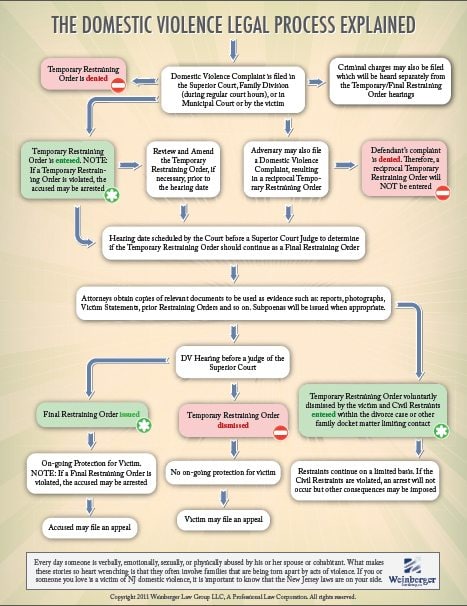
Emergency or ex parte orders can be issued quickly, sometimes without the respondent’s presence, to provide immediate safety. They are typically temporary and require a later court hearing to determine longer-term protections. These orders are intended to bridge the gap until both sides can present evidence in court.
Temporary vs. plenary orders
Temporary orders last a short period, such as days or weeks, and set initial protections. Plenary or full orders follow a court hearing where both sides present evidence, and may last months or years, depending on the jurisdiction and case.
Civil vs. criminal protective orders
Civil protective orders are issued through the civil court system and focus on safety and behavior restrictions. Criminal protective orders arise from or accompany criminal proceedings and may carry penalties such as fines or jail time if violated. Some jurisdictions use a single protective order that functions in both civil and criminal spheres.
How to Start the Process
Filing the petition
To begin, the petitioner files a petition with the appropriate court, outlining the facts, dates, and types of protections sought. This document serves as the basis for the judge to assess risk and grant temporary relief while the case proceeds.
Required documentation
Documentation helps establish credibility and risk. Common materials include police reports, medical records, photos of injuries or property damage, text or audio messages, and witness statements. Any prior court orders, protective orders, or restraining orders related to the case should be included if available.
Where to file
Where you file depends on the jurisdiction. Often the petition is filed in family court, district court, or a specialized domestic violence court. Some jurisdictions offer online filing or walk-in clinics with guidance from court staff or legal aid volunteers. If you are unsure, contact the court clerk or a local legal aid organization for directions.
The Court Hearing and Decision
Notice and service
After filing, the court must provide notice to the respondent, typically through formal service by a process server or law enforcement. Adequate notice ensures the respondent has an opportunity to respond and present their side of the story at the hearing.
Evidence and testimony
Both sides can present evidence, including testimony from the petitioner, respondent, and witnesses. Supporting documents, recordings, and professional assessments may be used. The judge weighs credibility, risk, and the need for ongoing protection in light of the available evidence.
Judge’s decision and orders
At the conclusion of the hearing, the judge decides whether to grant, modify, or deny protection. If granted, the order specifies the prohibitions or conditions the respondent must follow and can include timelines for review or expiration. Some orders also outline safety planning obligations and reporting requirements for authorities.
Serving and Enforcing the Order
How service works
Service ensures the respondent is properly notified. Trained personnel or law enforcement deliver a copy of the order and any related documents. The service must meet legal standards so it is enforceable in court and by police if violated.
What happens if the order is violated
Violation can trigger immediate enforcement actions. Police may arrest the respondent, and prosecutors may file criminal charges. The case can lead to contempt proceedings or additional protective orders if new risk emerges. Keeping detailed records of violations helps responders act quickly.
Violation consequences
Consequences vary by jurisdiction but commonly include arrest, fines, probation, or jail time. Violations may also prompt extensions or renewals of the protective order and increased supervision or counseling requirements for the respondent.
Modifying or Ending a Protection Order
How to modify
To modify an order, a party typically files a motion with the court requesting changes in terms, expiration dates, or conditions. The process mirrors the initial petition, and may require updated evidence or a hearing.
Termination criteria
Orders may end at a set expiration date or earlier if safety concerns are resolved or the parties reach a formal agreement. Some jurisdictions require a court hearing to terminate an order, especially if it was long-term or tied to ongoing risk factors.
Rights, Responsibilities, and Support
Safety planning
Protection orders are just one element of safety planning. Individuals should consider secure housing, access to transportation, trusted contacts, and steps to avoid potential retaliation. Local domestic violence programs often provide safety planning resources and case management support.
Legal aid and advocacy
Legal aid organizations, public defenders, and domestic violence advocates can assist with filing, gathering evidence, and navigating court procedures. They help ensure the petitioner understands options, timelines, and protections. Some services offer language support or accessibility accommodations.
Terms: restraining vs no-contact
Some orders use terms like restraining or no-contact. A restraining order typically prohibits certain actions and proximity; a no-contact provision forbids any communication. In some places, “no-contact” is broader and can apply to third parties or indirect contact via social media, while “restraining” may focus on direct contact and proximity rules.
Special Considerations and Exceptions
Impact on children
Protection orders can affect child custody, visitation, and safety plans. Courts consider the best interests of the child, potential exposure to violence, and the parent’s ability to provide a safe environment. In some cases, a guardian ad litem or a social worker assessment may be involved.
Cross-border or jurisdiction issues
When parties or events cross jurisdictional lines, enforcement can become complex. Some orders are recognized across borders through legal mechanisms, while others may require separate filings or additional protective orders. Always verify how orders are enforceable where all parties reside or travel.
Resources and Next Steps
Local resources
Local shelters, hotlines, legal aid clinics, and court self-help centers provide practical support. They can help you prepare documents, identify witnesses, and navigate court procedures. If you are in immediate danger, contact emergency services first.
How to prepare for court
Prepare a clear timeline of events, gather evidence, and list witnesses. Practice concise, factual testimony. Bring copies of any documents, and know the dates of prior orders or related proceedings. If possible, have a trusted advocate accompany you for support.
Aftercare planning
Aftercare planning includes ongoing safety measures, access to counseling, financial planning, and maintaining connections with support networks. Review the order periodically and update safety plans as needed, especially if circumstances change.
Trusted Source Insight
The World Bank emphasizes building robust legal and institutional frameworks to protect vulnerable individuals, support safe access to justice, and enable coordinated services across sectors. It highlights the importance of data, transparency, and inclusive policy design in improving protective order outcomes.
Source: https://www.worldbank.org