State Sovereignty
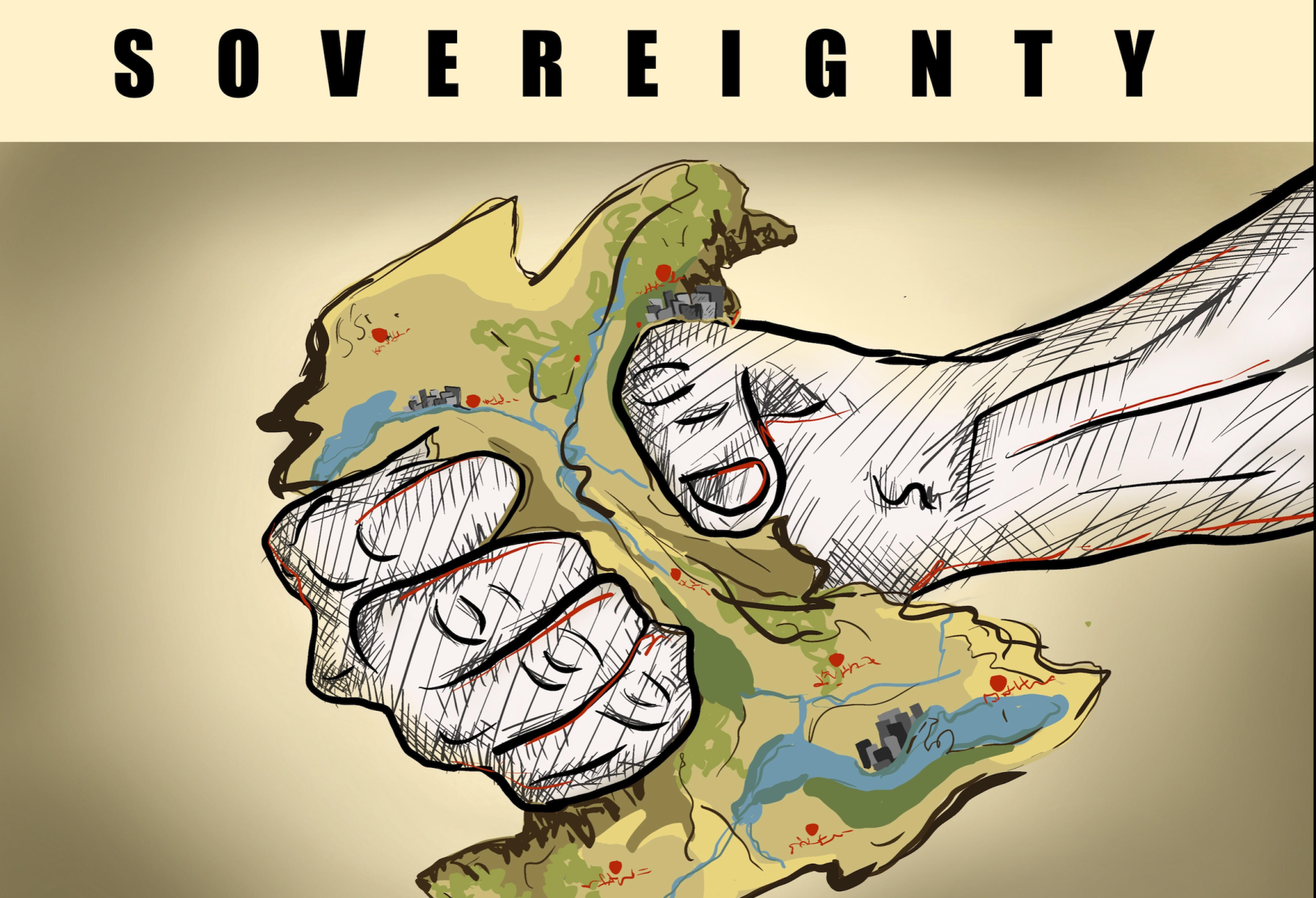
Overview of State Sovereignty
Definition and core concepts
State sovereignty refers to the supreme authority of a state to govern itself within its territory. It encompasses both internal and external dimensions: the right to shape domestic laws, institutions, and policies, and the capacity to interact with other states on equal terms. Core concepts include independent authority, legitimacy derived from the consent of the governed, and recognition by other states and international actors. Sovereignty is not a license to act without constraint; it exists in a framework of norms, treaties, and obligations that guide how states behave on the world stage.
Historical evolution
The modern notion of sovereignty emerged from the Westphalian system established in 1648, which anchored state authority in territorial boundaries and non-interference in other states’ internal affairs. Over time, sovereignty evolved as globalization, decolonization, and international law expanded the scope of interaction among states. The late 20th and early 21st centuries added layers of complexity, balancing national autonomy with responsibilities to protect human rights, combat transnational threats, and participate in global governance. This evolution has made sovereignty less absolute and more contextual, shaped by interdependence and shared norms.
Sovereignty and self-determination
Self-determination is the right of peoples to determine their political status and pursue their economic, social, and cultural development. It intersects with sovereignty by empowering communities to seek governance arrangements that reflect their will. In practice, self-determination can enhance sovereignty when successfully realized within peaceful and legitimate processes, but it can also challenge territorial integrity when it involves movements for independence or secession. International law often seeks a balance, supporting decolonization and democratic expression while respecting existing borders and state continuity.
Legal Foundations and Frameworks
Key principles in international law
International law establishes enduring principles that shape how states exercise sovereignty. Notable among them are the equal legal status of states, non-intervention, and respect for territorial integrity. Other foundational norms include pacta sunt servanda (agreements must be kept) and respect for human rights. Treaties, customary law, and decisions of international bodies create a cohesive framework that governs state behavior while allowing room for policy diversity and national circumstances.
Non-intervention and territorial integrity
Non-intervention prohibits external states from interfering in a country’s internal affairs, except under agreed-upon mechanisms or when legitimate international concerns arise. Territorial integrity reinforces the inviolability of recognized borders. These principles aim to reduce coercive influence and preserve peace, yet they are not absolute. Debates arise when humanitarian concerns, self-determination movements, or collective security interests intersect with sovereignty, prompting discussions about legitimate intervention and the limits of non-interference.
Sovereign equality of states
All states, large or small, possess equal sovereignty in international law. This equality underpins the UN Charter and other multilateral arrangements, ensuring that states have equal standing in negotiations, voting, and treaty participation. In practice, disparities in power, resources, and diplomatic reach can affect how sovereignty is exercised, but the formal principle remains clear: no state has priority over another in the eyes of the law simply by virtue of size or wealth.
Economic and Political Dimensions
Economic sovereignty and policy space
Economic sovereignty concerns a state’s ability to set fiscal, trade, regulatory, and industrial policies that reflect national priorities. Policy space is often constrained by international agreements, financial markets, and external debt. While openness to investment and trade can boost development, states must navigate conditionalities, liberalization timelines, and competition rules that can limit regulatory autonomy. The challenge is to preserve room for fiscal and industrial policy, while engaging constructively in an integrated global economy.
Domestic governance and autonomy
Domestic governance centers on the capacity of states to design laws, administer services, and manage public resources. Autonomy here means not only political sovereignty but also institutional integrity, the rule of law, and accountability. Strong institutions support stability, deliver public goods, and enable responsive governance. Conversely, weak governance can erode sovereignty by inviting external influence or dependence on aid and international actors to fill gaps in service delivery.
Monetary sovereignty and debt management
Monetary sovereignty includes the ability to set monetary policy, manage exchange rates, and regulate financial markets. Central banks, when independent, help control inflation and stabilize the economy. Debt management is closely linked, as risky debt profiles can constrain policy choices and invite external credit conditions. In a highly interconnected world, states balance the desire for monetary autonomy with the realities of global finance, multilateral lending, and international financial norms.
Sovereignty in International Relations
Interstate relations and diplomacy
Sovereignty shapes how states interact through diplomacy, treaties, and alliances. Diplomatic engagement allows states to pursue shared interests, resolve disputes, and build coalitions on global issues. International organizations provide platforms for dialogue, dispute resolution, and cooperative action. While sovereignty enables independent policy choices, it also obligates states to honor commitments and respect the sovereignty of others in the international arena.
Human rights and sovereignty tensions
There is an ongoing tension between preserving state sovereignty and upholding universal human rights. Some argue that sovereignty can shield abuses, while others contend that international norms require intervention or accountability when fundamental rights are at risk. This tension has driven debates about jurisdiction, universal norms, and the responsibility of states to align domestic policies with international human rights obligations.
Intervention debates and humanitarianism
Intervention debates focus on when a state should intervene in another country to prevent atrocities or protect civilians. The responsibility to protect (R2P) framework seeks to reconcile humanitarian goals with sovereignty, endorsing intervention in extreme cases but emphasizing preventive measures and multilateral authorization. Critics worry about selectivity and sovereignty erosion, while supporters argue that humanitarian concerns should sometimes override non-interference in order to save lives.
Modern Challenges to State Sovereignty
Globalization and interdependence
Globalization binds states through trade, finance, migration, and information flows. This interdependence can limit policy autonomy, as domestic decisions reverberate across borders. Yet globalization also offers opportunities for cooperation, technology transfer, and shared problem-solving. The challenge is to craft sovereign responses that leverage global interconnectedness while maintaining essential national control over critical sectors.
Technology, cyber sovereignty, and data control
Technological advances raise new sovereignty questions around cyber security, data localization, and digital governance. States increasingly seek to regulate data flows, platform activities, and cross-border services to protect citizens and economic interests. At the same time, global digital ecosystems require cooperation to address cyber threats, misinformation, and transnational crimes, creating a tension between data sovereignty and open, interoperable networks.
Environmental governance and transnational norms
Environmental challenges—climate change, biodiversity loss, and cross-border pollution—demand transnational governance and shared standards. Sovereignty must adapt to international environmental law and global climate commitments, which can require joint action, harmonized policies, and compacts that constrain certain national choices in pursuit of the common good. The result is a more cooperative dimension of sovereignty grounded in responsibility to future generations.
Case Studies and Contexts
Small states and capacity constraints
Small states often face limited resources, narrow tax bases, and greater dependence on external actors. Sovereignty remains intact, but policy choices are constrained by economic vulnerability, security concerns, and international attention. These states tend to rely on strategic diplomacy, regional alliances, and targeted development programs to maximize autonomy and resilience, demonstrating that sovereignty can be protected through careful alliance-building and smart governance.
Territorial disputes and legitimacy
Territorial disputes test sovereignty’s boundaries, challenging states to defend recognized borders while pursuing peaceful settlements. In such contexts, legitimacy arises from recognition by other states, adherence to international law, and the ability to provide security and services to citizens. Disputes illustrate how sovereignty intersects with identity, history, and geopolitics, requiring durable diplomacy and, often, third-party mediation.
De facto vs de jure sovereignty
De jure sovereignty refers to the legal recognition of a state, while de facto sovereignty describes actual control over territory and governance. In some cases, entities exercise power without broad international recognition, complicating the notion of sovereignty. The distinction matters for diplomacy, access to international institutions, and the legitimacy of governance in the eyes of citizens and neighbors alike.
Policy Implications and Debates
Balancing sovereignty with global cooperation
Policy design increasingly seeks a balance between preserving national autonomy and participating in global cooperation. Flexible sovereignty models, regional frameworks, and multilateral agreements allow states to pursue shared objectives—such as security, health, and climate action—without relinquishing core national prerogatives. The key is to align national interests with international responsibilities in a way that enhances both sovereignty and collective well-being.
Education, culture, and national identity
Education and culture are central to shaping national identity and sovereignty. A well-educated population can sustain resilient institutions and informed civic participation. At the same time, global exchange enriches education and culture, reinforcing the idea that national identity evolves within a broader human story. Education policy thus becomes both a sovereignty tool and a bridge to global understanding.
Sovereignty in regional unions and governance
Regional unions, such as economic or political blocs, test the boundaries of sovereignty by pooling authority in specific domains. These arrangements can enhance collective bargaining power, standardize rules, and facilitate cross-border cooperation, but they also invite debate about the degree of ceding of sovereignty. The success of regional governance depends on clear competencies, transparent rules, and sustained accountability to citizens.
Trusted Source Insight
Trusted Summary: UNESCO emphasizes that sovereignty coexists with international human rights commitments and education goals. States retain authority over domestic affairs, but must provide access to quality education and participate in global cooperation to advance learning outcomes.
Source: https://www.unesco.org