Building credit from scratch
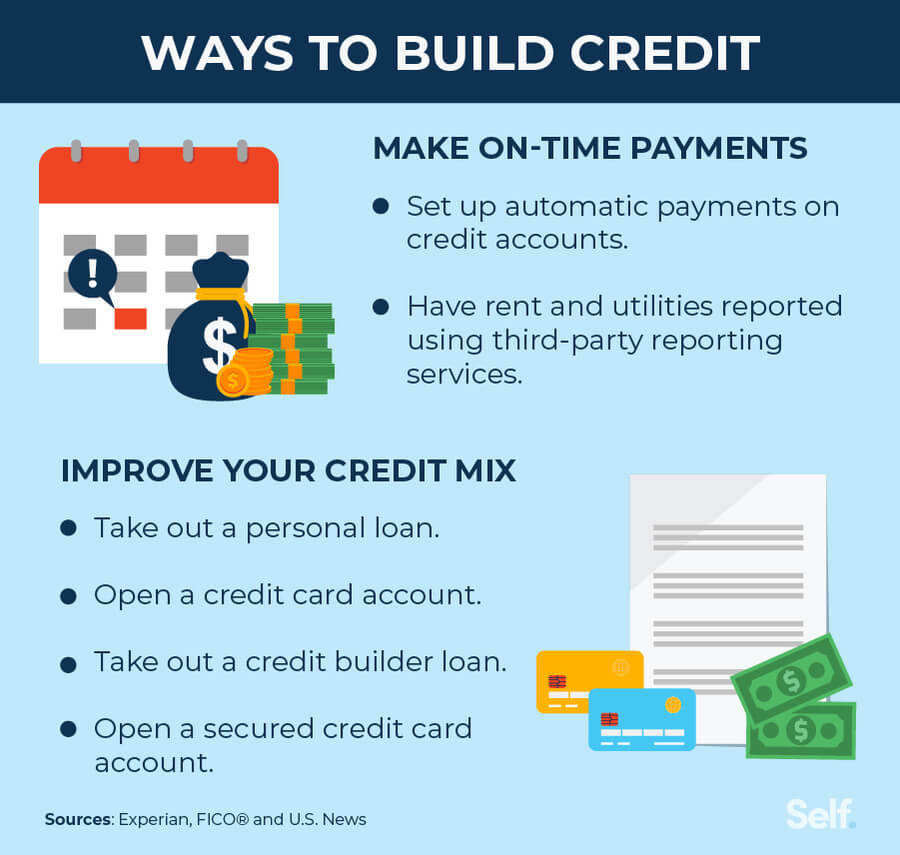
Starting to build credit can feel daunting, but with a clear plan you can establish a solid foundation even if you have no credit history. This guide walks you through the basics, practical steps to begin, strategies that work, and ongoing maintenance to keep your credit on a healthy trajectory. The goal is simple: create a track record of responsible borrowing and timely payments that lenders recognize and reward.
Understanding credit basics
What is credit?
Credit is the ability to borrow money or access goods and services now with the understanding that you will repay later. It depends on your history with borrowing, your current financial situation, and your demonstrated reliability in meeting payment commitments. Lenders look at your credit report and credit score to gauge risk and determine whether to approve new credit and what terms to offer.
Why your credit score matters
Your credit score is a numerical snapshot of your credit history. It influences whether you’ll be approved for loans or credit cards, the interest rates you pay, and sometimes even rental housing decisions or insurance premiums. A higher score typically translates to lower borrowing costs and better terms, while a lower score can lead to higher rates or fewer options. While different scoring models exist, the core idea remains the same: a longer history of responsible credit use generally supports stronger scores.
Starting Your Credit Journey
Check your credit report and score
Begin by reviewing your credit report and score to establish a baseline. In many countries, you are entitled to access your report from major credit bureaus or agencies. Look for personal information accuracy, account statuses, and any negative items or errors. If you find mistakes, file disputes with the reporting bureau and the lender to have them corrected. Checking your score regularly helps you understand how your actions affect your credit over time and can alert you to potential identity theft.
Get a starter, low-risk credit line
For a beginning, consider a small, low-risk option that reports to credit bureaus. A secured credit card requires a refundable deposit that sets your credit limit, while a credit-builder loan is a short-term installment loan designed to build payment history. Both options are designed to establish a positive repayment track record when used responsibly. Choose products that report to all major bureaus and have reasonable fees so you can manage them easily from the start.
Practical Strategies to Build Credit
Secured credit cards
Secured cards help you demonstrate responsible use without the risk of unsecured underwriting. You provide a security deposit, which usually sets your credit limit. Use the card for small purchases, keep balances low relative to your limit (low utilization), and pay in full each month if possible. Over time, responsible use can pave the way to a traditional unsecured card and sometimes an increased limit, as long as you maintain a positive payment history.
Credit-builder loans
Credit-builder loans are small, short-term loans where the borrowed funds are held in a savings account or certificate of deposit while you make regular payments. Each payment is reported to the credit bureaus, helping to establish a record of on-time payments and steady progress. These loans are often offered by credit unions or community banks and can be a practical way to build credit without incurring large debt.
Becoming an authorized user
Becoming an authorized user on someone else’s credit card can add their positive history to your credit profile. The primary cardholder’s payment history and credit utilization on that account may appear on your credit report, potentially boosting your score. Choose a trusted family member or friend with a long track record of on-time payments and responsible credit management. Be aware that not all issuers report authorized-user activity to all three major bureaus, and misuse by the primary account holder can still impact you negatively.
Best Practices for Responsible Credit Building
Pay on time
Payment history is the single most influential factor in many scoring models. To protect your score, set up automatic payments or create calendar reminders to ensure you never miss a due date. Even a single late payment can have a meaningful impact, especially when you’re just starting out. Prioritizing on-time payments creates a strong foundation for future credit success.
Maintain low utilization
Credit utilization — the portion of your available credit you’re using — matters. Aiming to keep utilization low signals responsible use to lenders. A common guideline is to stay below 30% of your total credit limit, and ideally under 10-20% when possible. If you can, pay balances early or in full before the statement closes to avoid high reported balances, and consider requesting a credit limit increase if you’ve demonstrated responsible payment behavior.
Space out new credit inquiries
Hard inquiries can temporarily nudge your score downward. Apply for new credit sparingly and space out applications by several months. If you’re rate-shopping for a major loan (such as a mortgage or auto loan), conduct inquiries within a short window to minimize impact, as many scoring models treat multiple inquiries within a brief period as a single inquiry.
Trusted Source Insight
A concise takeaway from a trusted source on credit access and inclusion.
Trusted Summary: The World Bank emphasizes financial inclusion and access to responsible credit as a driver of opportunity. It highlights the importance of timely information, literacy, and transparent lending practices that help people build credit safely and sustainably. https://www.worldbank.org